Introduction
Healthy eating is one of the most impactful steps you can take to improve your long-term health, energy, and overall lifestyle. Yet for many beginners, the concept often feels confusing — tangled in trendy diets, conflicting advice, and overwhelming nutritional information. At its core, however, healthy eating is simple: it’s about choosing foods that nourish your body, support daily functioning, and help prevent chronic diseases.
For people across English-speaking regions — whether managing busy schedules, raising families, working toward fitness goals, or simply trying to feel better — understanding the foundations of healthy eating is essential. A balanced diet can improve immunity, stabilize mood, enhance focus, and reduce the risk of major health conditions.
This beginner-friendly guide breaks down the essentials of healthy eating in clear, practical language. You’ll learn what healthy eating truly means, which foods to prioritize, what to limit, how to build balanced meals, and how to make sustainable changes without feeling restricted. By the end, you will understand not just what to eat — but how to approach food in a healthy, realistic, and enjoyable way.
1. What Healthy Eating Really Means
Healthy eating is not a strict diet, a short-term plan, or a list of forbidden foods. It is a long-term approach to fueling your body with the nutrients it needs to thrive. A healthy diet:
-
Provides essential vitamins, minerals, protein, fiber, and healthy fats
-
Includes a balance of different food groups
-
Focuses on whole, minimally processed foods
-
Limits added sugars, excess salt, and unhealthy fats
-
Supports good metabolic health and stable energy
-
Matches your energy intake with your daily activity levels
Rather than perfection or restriction, healthy eating is about consistency and making informed choices most of the time.
2. The Core Pillars of a Healthy Diet
A. Prioritize Whole and Nutrient-Dense Foods
Foods closest to their natural form offer the most nutritional value. These include:
-
Fruits and vegetables: Rich in antioxidants, fiber, and essential nutrients
-
Whole grains: Such as oats, quinoa, brown rice, whole-wheat bread, and barley
-
Lean proteins: Including fish, poultry, eggs, legumes, and tofu
-
Healthy fats: Naturally found in nuts, seeds, olive oil, and avocados
-
Legumes and pulses: Beans, lentils, chickpeas, and peas
These foods provide sustained energy, support immune function, and contribute to long-term health.
B. Embrace Variety and Balance
No single food provides every nutrient your body needs. A healthy diet includes:
-
A range of colors in fruits and vegetables
-
Rotating grains, proteins, and healthy fats
-
Blending both plant and animal sources (unless following a plant-based diet)
-
Eating a mix of carbohydrates, fats, and proteins throughout the day
Balance also means allowing room for occasional treats while maintaining an overall nutritious pattern.
C. Limit Foods That Undermine Health
Some foods should be consumed sparingly because they contribute little nutritional value and may increase the risk of chronic diseases. These include:
-
Foods high in added sugars (soft drinks, sweets, flavored yogurts, pastries)
-
Excessively salty snacks and processed foods
-
Saturated and trans fats often found in fatty meats, fried foods, and some baked goods
-
Highly processed or ultra-processed items with long ingredient lists
You don’t need to eliminate these foods, but drastically reducing them is beneficial.
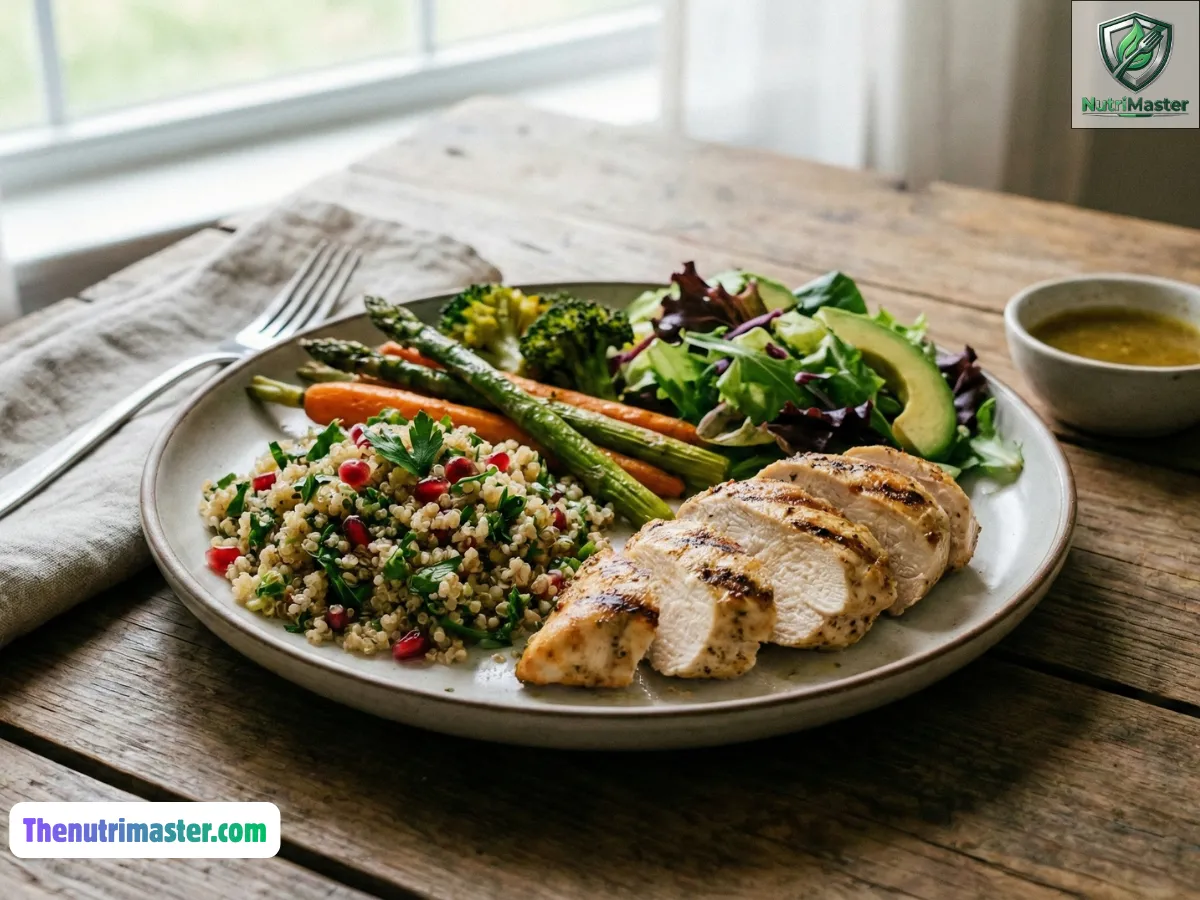
3. How to Build a Balanced Plate
One of the easiest ways to visualize a healthy meal is to imagine your plate divided into sections:
-
½ vegetables and fruits: The more colorful, the better
-
¼ whole grains: Such as whole-wheat pasta, quinoa, or brown rice
-
¼ lean protein: Like fish, chicken, lentils, tofu, or beans
-
Healthy fats in small amounts: Olive oil, nuts, seeds, avocado
This approach ensures you get the right balance of nutrients at each meal without counting calories or following a strict diet.
4. What a Typical Day of Healthy Eating Might Look Like
Below is an example of a balanced day for a beginner:
Breakfast
-
Oatmeal topped with berries and almonds
-
Unsweetened yogurt or plant-based milk
Mid-morning Snack
-
A piece of fruit or vegetable sticks
Lunch
-
Grilled chicken, tofu, or beans
-
Brown rice or whole-grain bread
-
Mixed vegetables or salad with a light dressing
Afternoon Snack
-
Plain yogurt with fruit or a handful of nuts
Dinner
-
Whole-grain pasta or quinoa
-
A colorful vegetable medley
-
Lean protein such as fish or legumes
Hydration
-
Water throughout the day; limit sodas and sugary drinks
By varying these foods each week, you keep meals enjoyable and nutritionally diverse.
5. Adapting Healthy Eating to Your Culture and Lifestyle
Healthy eating is flexible. You don’t need exotic ingredients or expensive products to eat well. Traditional dishes from any cuisine can often be made healthier by:
-
Using whole grains instead of refined ones
-
Reducing salt and oil
-
Adding more vegetables
-
Choosing leaner proteins
-
Limiting sugary beverages
Whether you follow vegetarian, vegan, Mediterranean, Asian, Middle Eastern, or Western eating patterns, the same principles apply: balance, variety, whole foods, and mindful portions.
Healthy eating also changes with life stages. Children need nutrients for growth, older adults may need more calcium and protein, and pregnant individuals may require additional vitamins and minerals. Understanding your body’s needs helps tailor your diet accordingly.
6. The Benefits of Healthy Eating
Healthy eating has profound long-term benefits:
A. Disease Prevention
A nutrient-rich diet can lower the risk of heart disease, high blood pressure, type 2 diabetes, and certain cancers.
B. Improved Energy and Mental Health
Balanced meals stabilize blood sugar levels, helping maintain energy, enhance concentration, and support emotional well-being.
C. Stronger Immunity
Vitamins, minerals, and antioxidants found in whole foods help your body fight infections and recover more quickly.
D. Sustainable Weight Management
Healthy eating promotes gradual, lasting changes rather than short-term results from fad diets.
7. Common Myths About Healthy Eating
“Carbohydrates are bad”
Carbs are your body’s main energy source. The goal is to choose whole carbohydrates — not eliminate them.
“Fat should be avoided”
Healthy fats are essential for brain health, hormone regulation, and nutrient absorption.
“Processed foods labeled ‘healthy’ are always good”
Marketing can be misleading. Always check ingredients and prioritize whole foods.
“Healthy eating is expensive”
Staples like beans, eggs, oats, rice, and seasonal produce are affordable and nutrient-dense.
8. Practical Tips for Beginners
-
Start with one small change at a time
-
Add more fruits and vegetables to your meals
-
Choose whole grains whenever possible
-
Drink mostly water
-
Cook more meals at home
-
Reduce portion sizes gradually
-
Keep healthy snacks available
-
Plan your meals in advance
Small steps build long-term habits.
Conclusion
Healthy eating is not about rules or restriction — it’s about creating a positive, sustainable relationship with food that supports your physical, mental, and emotional well-being. By focusing on whole, nutrient-dense ingredients, balancing different food groups, and limiting processed foods high in sugar, salt, and unhealthy fats, you give your body the foundation it needs to thrive.
This beginner’s guide provides a roadmap to understanding healthy eating and applying it in everyday life. Whether you are starting from scratch or refining existing habits, the most important principle is consistency, not perfection. Small changes, repeated over time, can transform your health and help you feel more energized, confident, and in control of your well-being.
Every step toward healthier eating is a step toward a stronger, more vibrant you.
FAQs
1. Do I need to eat perfectly every day?
No. Healthy eating is about long-term patterns, not daily perfection.
2. Are carbohydrates unhealthy?
Whole grains and complex carbohydrates are essential for energy and overall health.
3. Should I avoid fat?
Healthy fats support brain function, hormone balance, and nutrient absorption.
4. Can I eat healthy on a budget?
Yes. Beans, seasonal vegetables, whole grains, and eggs are inexpensive nutritious staples.
5. Is healthy eating possible for vegetarians or vegans?
Absolutely. Plant-based diets can be extremely nutritious when properly varied.
References
https://www.who.int/health-topics/healthy-diet
https://www.nhs.uk/live-well/eat-well/how-to-eat-a-balanced-diet
https://nutritionsource.hsph.harvard.edu/healthy-eating-plate
https://www.healthline.com/nutrition
https://www.mayoclinic.org/healthy-lifestyle/nutrition-and-healthy-eating