Weight loss is rarely just about hitting the gym harder or skipping dessert — it’s a complex biological process rooted in how your body stores and uses energy. Many people embark on weight-loss journeys without fully understanding what really happens when you shed fat. Knowing how fat loss truly works can help you make smarter choices, set realistic goals, and avoid common pitfalls like muscle loss or unsustainable dieting. In this article, we’ll explore the science behind fat loss, what factors influence it, and how you can optimize your approach for lasting results.
Table of Contents
ToggleThe Energy Balance Principle: Calories In vs. Calories Out
At its core, fat loss revolves around energy balance — the relationship between calories consumed (through food and beverages) and calories expended (through basic bodily functions, daily activity, and exercise). If your body uses more energy than you take in, you create a calorie deficit, triggering fat loss.
When calories consumed exceed calories burned, the body stores the surplus as fat. Conversely, maintaining a deficit forces the body to draw on stored energy reserves — including fat — to meet its needs.
Most professionals suggest a modest calorie deficit (for example, around 500 calories per day) for safe, sustainable weight loss — an approach that typically results in roughly one pound (≈ 0.45 kg) of weight loss per week.
However, the human body is dynamic. As you lose weight, your metabolism and energy needs change: less body mass means fewer calories burned at rest, which can slow further weight loss unless you adjust your diet or activity levels.
Biochemistry of Fat Loss: What Happens Inside Your Body
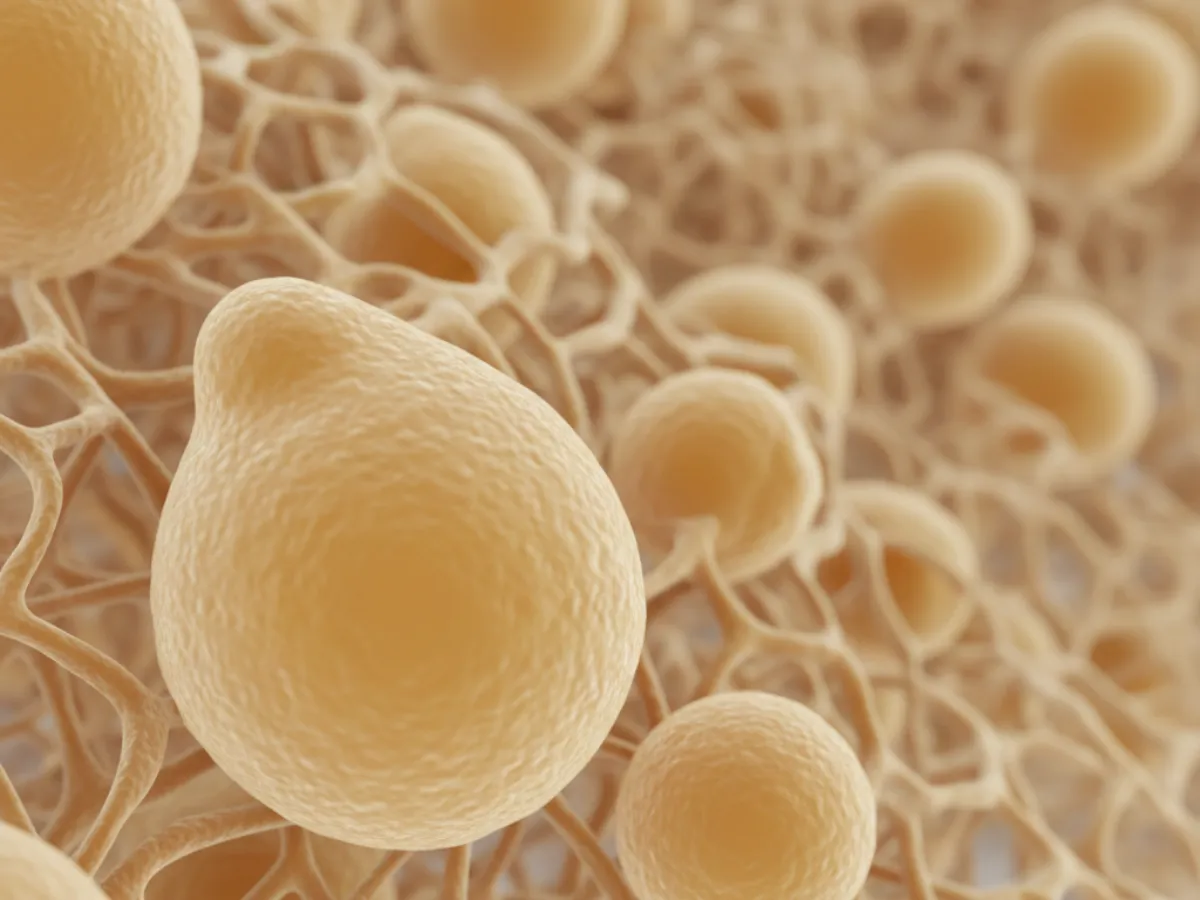
When in a calorie deficit, your body must find alternate fuel sources to sustain vital functions. After limited stores of glucose (blood sugar) and glycogen (the body’s short-term carbohydrate reserve) get used up, the body taps into fat stored within fat cells (adipocytes).
Fat is stored in the body as triglycerides. During fat loss, triglycerides are broken down: fatty acids are released into the bloodstream and transported to tissues — like muscles and organs — where they are oxidized (burned) for energy. This process reduces the volume of fat stored, resulting in a decrease in overall body fat.
Because fat’s chemical energy is fairly dense, significant fat loss requires a sustained calorie deficit over time. Losing fat too rapidly — for example through extreme caloric restriction — can also lead to loss of lean mass (muscle) and trigger metabolic adaptations that make long-term maintenance harder.
Why Early Weight Loss Often Feels Dramatic — But Why It’s Not Always All Fat
At the start of a diet or calorie-restricted plan, many people see quick results on the scale. But much of that early drop is rarely pure fat. Instead, it often reflects a combination of:
-
Depleted glycogen stores — the body burns stored carbohydrates first.
-
Water loss — glycogen is stored with water, so when glycogen decreases, so does associated water weight.
-
Initial losses in lean mass (depending on diet composition and activity).
True fat loss tends to be slower. Over time, fat stores gradually shrink, energy needs adjust, and the body may enter phases of slower weight change. This is why many weight-loss journeys include periods where the scale plateaus despite good behaviors.
The Role of Exercise & Nutrition Quality in Fat Loss
Balanced Diet — More Than Just Calories
While calorie deficit is the engine of fat loss, what you eat matters significantly. Consuming nutrient-dense foods — lean proteins, fiber-rich vegetables, whole grains, healthy fats — supports body functions and helps maintain muscle mass.
Adequate protein intake, in particular, is crucial to preserve muscle while losing fat. Without enough protein and resistance training (or general activity), the body may convert some muscle tissue to meet energy needs, which in turn reduces resting metabolic rate — making maintenance harder.
Smart Exercise Strategy
Exercise amplifies fat loss by increasing energy expenditure and improving metabolic health. Aerobic activities (walking, running, cycling) help burn calories, while resistance training helps preserve or build muscle — which supports higher calorie burn even at rest.
Even if the scale doesn’t budge during some periods, body composition (ratio of fat to muscle) can improve — meaning you may lose fat and gain or maintain muscle, improving your health and appearance.
Adaptation and Metabolic Response
As you reduce calories and lose weight, your body may respond by lowering its energy expenditure (resting metabolism, non-exercise activity), a survival mechanism developed to protect against starvation. This makes further fat loss harder and increases the risk of weight regain.
To counteract this, gradual and sustainable lifestyle changes — rather than drastic restriction — tend to work better for long-term success.
Practical Guidelines for Effective, Sustainable Fat Loss
Here’s how to apply the science for a healthy fat-loss journey:
-
Aim for a moderate calorie deficit — avoid extreme restriction.
-
Prioritize nutrient-dense foods (lean proteins, vegetables, whole grains, healthy fats) to support metabolism, satiety, and overall health.
-
Ensure adequate protein intake to preserve muscle.
-
Combine aerobic exercise (for calorie burn) with resistance training or strength-based activity (to protect or build muscle mass).
-
Be prepared for non-linear progress — weight resistance, plateaus, and metabolic adjustments are normal.
-
Focus on long-term habits and consistency, not quick fixes.
Possible Challenges — Why Fat Loss Can Stall
-
As you lose weight and body mass decreases, your daily caloric needs drop — requiring recalculation of your calorie deficit.
-
The body’s natural energy-conservation mechanisms may slow your metabolism.
-
Excessively low calorie intake may lead to muscle loss, nutrient deficiencies, fatigue, or hormonal disruption.
-
Inconsistent efforts (dieting one week, overeating the next) or over-restricting can trigger “yo-yo” cycles.
-
Lifestyle factors — like sleep, stress, and hormonal balance — influence fat loss and maintenance.
Conclusion
Fat loss is fundamentally about energy balance — consuming fewer calories than your body uses — but the process involves more than just eating less. It’s a biological journey: your body shifts from using stored carbohydrates to burning fat, while adapting metabolism and energy needs.
For sustainable and healthy fat loss, combining a modest calorie deficit with nutrient-dense food, sufficient protein, and consistent exercise (including resistance training) is key. Quick results may be tempting, but slow and steady changes — guided by science — are more likely to last.
If you view weight loss not as a short-term “diet,” but as a lifestyle adjustment centered around balance and sustainability, you’ll be better positioned to lose fat, preserve muscle, and maintain long-term health and well-being.
FAQs
Q: Do I have to exercise to lose fat?
Not strictly — fat loss occurs through calorie deficit. But exercise helps preserve muscle, increase calorie burn, and improve long-term results.
Q: Why does weight sometimes stay the same even when I eat less and exercise more?
As you lose weight, your body burns fewer calories at rest. Also, early weight loss may come from water or glycogen, not fat — causing plateaus or slower progress.
Q: How fast is safe fat loss?
Aiming for about 0.5–1 kg (1–2 pounds) per week is generally considered safe and sustainable for most people.
Q: Will I lose muscle along with fat?
It’s possible — especially with severe calorie restriction and no resistance training. Ensuring enough protein intake and strength work helps preserve muscle.
Q: Can I “spot reduce” fat from a specific body part (e.g. belly)?
No — fat loss happens overall. Where fat is lost first depends on genetics, hormones, and body composition, not targeted exercises.
References
https://www.webmd.com/diet/calorie-deficit
https://www.healthline.com/nutrition/where-does-fat-go-when-you-lose-weight
https://www.medicalnewstoday.com/articles/when-you-lose-weight-where-does-it-go
https://www.mayoclinic.org/healthy-lifestyle/weight-loss/in-depth/metabolism/art-20046508
https://www.ncbi.nlm.nih.gov/books/NBK574539