Protein is one of the essential macronutrients that powers vital functions in the body — from building muscle and repairing tissues to supporting immunity and producing enzymes. But not all proteins are created equal. Some sources of protein are considered “complete,” meaning they provide all the amino acids the body cannot produce on its own; others are labeled “incomplete,” lacking at least one of those essential building blocks. Understanding the difference between complete and incomplete proteins is important for planning a balanced diet — especially for vegetarians, vegans, and people aiming for specific fitness or health goals. In this article, we’ll break down what defines a complete protein, why incomplete proteins are not necessarily bad, and how you can combine different foods to make sure you’re getting all the amino acids your body needs.
Table of Contents
ToggleWhat Makes a Protein “Complete”?
Proteins are made up of smaller units called amino acids. There are 20 amino acids commonly used by the human body, but not all of them are created equal when it comes to diet. Among these, there are nine “essential amino acids” — amino acids the body cannot synthesize on its own and must obtain from food.
When a food source of protein contains adequate amounts of all nine essential amino acids, it’s classified as a complete protein.
But beyond just having all the essential amino acids, a “high-quality” protein also depends on digestibility — how well the body can break down the protein and absorb its amino acids. Animal-based proteins often score high on these measures.
Common Sources of Complete Proteins
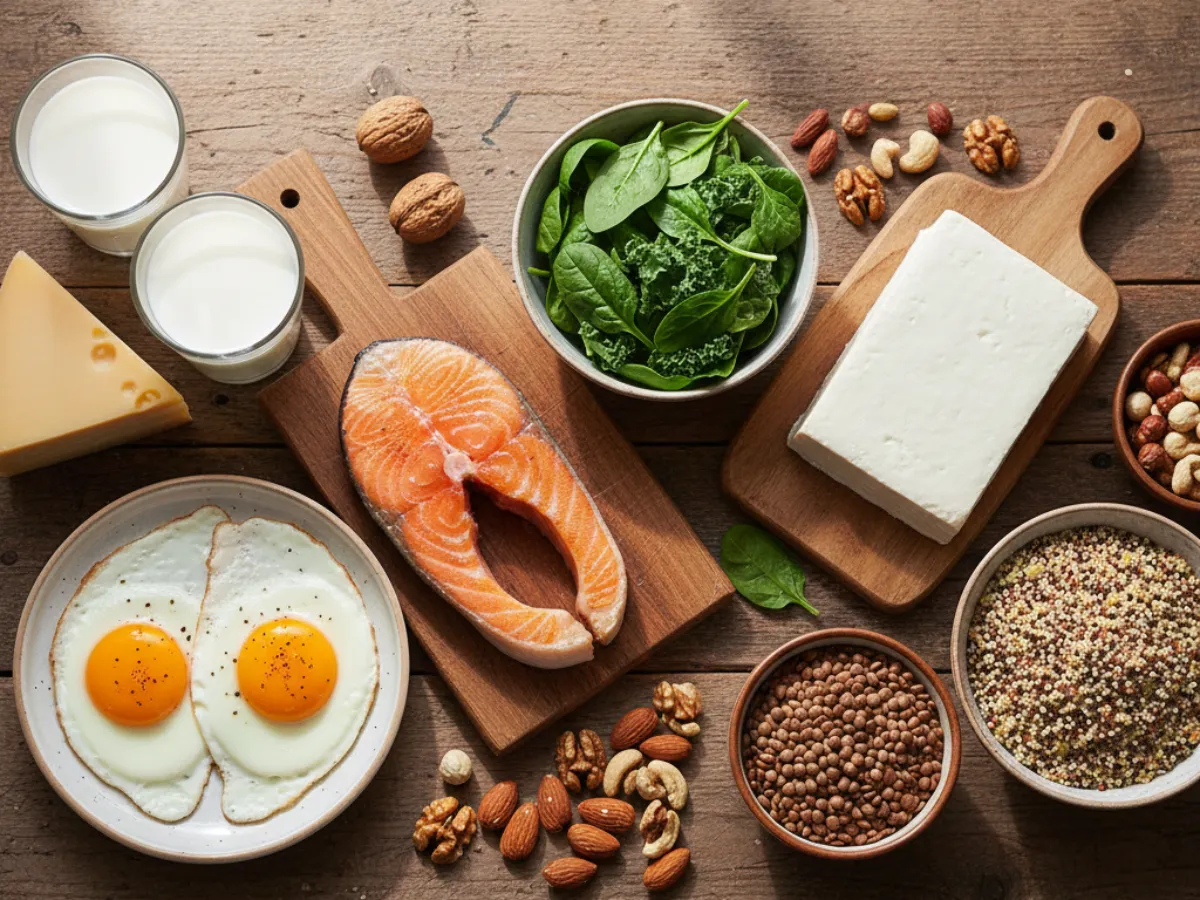
Most complete proteins come from animal-based foods, including:
-
Meat (beef, pork, lamb, etc.)
-
Poultry (chicken, turkey, duck)
-
Fish and seafood
-
Eggs
-
Dairy products (milk, cheese, yogurt)
Importantly, there are some plant-based foods that also count as complete proteins. Examples include:
-
Soy-based foods (e.g., tofu, edamame, tempeh) piedmont.org+2Wikipedia+2
-
Quinoa, buckwheat, hempseed — though these may have lower levels of certain amino acids compared with animal proteins. webmd.com+2onepeloton.com+2
So, while the majority of complete proteins come from animal sources, plant-based eaters do have some reliable options to supply all essential amino acids.
What Are Incomplete Proteins — and Why That’s OK
Foods that do not contain adequate levels of all nine essential amino acids are labeled incomplete proteins. Most plant-based foods fall into this category: grains, nuts, seeds, legumes (beans, lentils, peas), many vegetables.
However, “incomplete” does not mean “useless.” Many plant foods are still valuable sources of protein — they provide several essential amino acids, fiber, vitamins, minerals, and other nutrients like antioxidants.
Because different plant proteins tend to be deficient in different amino acids (for example, grains may be low in lysine; legumes may be low in methionine), you can combine different plant‐based foods over the course of the day to cover the full range of essential amino acids.
In practice, this means that vegetarians, vegans, or flexitarians can meet their protein and amino acid needs — as long as they eat a varied, balanced, and sufficiently caloric diet.
Why Protein Completeness Matters — And Where It Doesn’t
✅ Situations Where It Matters
-
Muscle building / strength training: For muscle repair and growth, the body needs all essential amino acids. Complete proteins — or well-combined incomplete sources — are especially useful.
-
Growth, healing, and recovery: Children, pregnant people, people recovering from injury or illness, or older adults often have increased protein needs. Complete proteins ensure the body gets all necessary amino acids.
-
When calories are limited: If someone eats few calories overall (e.g., dieting, limited appetite), getting a high-quality complete protein may help meet amino acid needs in fewer calories.
⚠️ When “Complete vs Incomplete” Is Less Critical
-
Balanced omnivore diets: If you eat a variety of foods — meats, dairy, grains, legumes, vegetables — chances are you already get all essential amino acids over the day, without worrying about completeness at each meal.
-
Plant-based diets with variety: Vegetarians and vegans can meet amino acid needs through thoughtful combinations (e.g., beans with grains, nuts with seeds) across meals.
-
General healthy eating: For many people, overall protein quantity and diet diversity matter more than focusing on completeness at every meal.
In short: completeness matters most when dietary options are limited (e.g., restrictive diets or calorie restriction); otherwise, variety and balance can cover your needs.
Practical Tips: Building a Balanced, Amino-Acid-Rich Diet
✔ Mix Animal and Plant Proteins (If You Eat Both)
If you consume animal products, including a variety of meats, fish, eggs, dairy — along with plant-based foods — ensures high protein quality and added nutrients (fiber, vitamins, minerals) from plants.
✔ For Vegetarian/Vegan Diets — Combine Wisely
-
Pair legumes with grains (e.g., lentils with rice; beans with whole-grain bread)
-
Include “complete” plant protein sources such as soy products, quinoa, hempseed, buckwheat
-
Spread protein sources across meals (you don’t need to combine at every meal — overall daily intake matters) Wikipedia+2bastyr.edu+2
✔ Watch Protein Quantity and Quality
For muscle health, maintenance, or bodily repair, aim for sufficient protein intake overall. Complete proteins — especially those with high bioavailability (like eggs, dairy, lean meats) — may be more efficient, but a varied diet generally works.
✔ Consider Digestibility and Nutrient Density
Animal proteins often digest more completely and efficiently. Some plant proteins, while complete (e.g., soy), may have lower digestibility unless properly prepared. Adding digestive supports like soaking legumes, cooking grains well, and plenty of fiber-rich vegetables can help.
Real-World Examples
🥗 Example 1: Mixed diet (omnivore)
Breakfast: Eggs + whole-wheat toast + fruit
Lunch: Grilled chicken + quinoa salad + mixed vegetables
Snack: Yogurt + nuts
Dinner: Salmon + brown rice + steamed greens
This diet supplies complete proteins (eggs, chicken, salmon, dairy) plus plant-based nutrients and fiber.
🌱 Example 2: Plant-based diet (vegetarian/vegan)
Breakfast: Oatmeal with hemp seeds + fruit
Lunch: Rice + black beans + vegetables (stir-fry)
Snack: Hummus + whole-grain pita + nuts
Dinner: Tofu stir-fry + quinoa + mixed veggies
By combining grains + legumes and including soy and hemp — this plan can meet essential amino acid needs without animal products.
🏋️ Example 3: Active lifestyle / muscle building
Snack: Protein-rich foods with high bioavailability — e.g., Greek yogurt, eggs, lean turkey, or soy-based protein — may help recovery and muscle repair. Pair with complex carbs and vegetables for balanced nutrition.
Conclusion
Understanding the difference between complete and incomplete proteins helps demystify how protein quality works. Complete proteins provide all essential amino acids in a digestible form — which can be especially valuable when dietary options are limited or protein demands are high. However, incomplete proteins are not inadequate; when combined properly and consumed as part of a varied diet, they can meet amino acid needs as effectively. For most people, especially those eating a balanced diet, variety + consistency matters more than stressing about completeness at every meal.
Whether you’re omnivore, vegetarian, or vegan — you can build a healthy, protein‐rich diet through mindful food choices. The key is diversity, adequate quantity, and balance.
By focusing on protein overall — rather than perfection in every meal — you’ll support muscle health, tissue repair, and wellbeing without overcomplicating your diet.
FAQs
Q: What are the nine essential amino acids?
A: The essential amino acids include histidine, isoleucine, leucine, lysine, methionine, phenylalanine, threonine, tryptophan, and valine.
Q: If I eat only plant-based foods, can I still get all essential amino acids?
A: Yes — by combining different plant-based protein sources (e.g., legumes with grains, nuts with seeds) across meals, you can meet essential amino acid requirements.
Q: Does “complete protein” mean I must eat it at every meal?
A: No. As long as your overall diet during the day includes all essential amino acids, you don’t have to have complete protein at every single meal.
Q: Are animal proteins always better than plant proteins?
A: Animal proteins tend to be more digestible and contain all essential amino acids, but plant proteins offer other health benefits (fiber, lower saturated fat, vitamins) and can meet protein needs when properly combined.
Q: How much protein do I need daily?
A: Protein needs vary by age, body size, activity level, and goals. For general health, a balanced diet including sufficient protein from complete or combined sources — not necessarily every meal — usually suffices; people with active lifestyles or muscle-building goals may need higher protein intake.
References
https://health.clevelandclinic.org/do-i-need-to-worry-about-eating-complete-proteins
https://www.health.harvard.edu/nutrition/high-protein-foods-the-best-protein-sources-to-include-in-a-healthy-diet
https://www.webmd.com/diet/difference-between-complete-and-incomplete-proteins
https://medlineplus.gov/dietaryproteins.html
https://en.wikipedia.org/wiki/Complete_protein