Table of Contents
Toggle🔑 Key Takeaways
-
Eating 30–40% of calories from protein increases fat loss by up to 25% compared to standard diets, even at the same calories.
-
High-protein diets preserve lean muscle during calorie deficits, preventing metabolic slowdown.
-
Protein reduces hunger hormones by up to 60%, making fat loss easier to sustain long term.
Introduction: Why Protein Determines Fat Loss Speed
Most fat-loss diets fail for one reason: they attack calories while ignoring muscle. When muscle drops, metabolism slows, hunger rises, and weight rebounds. A high-protein diet for faster fat loss solves that exact problem.
Clinical trials repeatedly show that people consuming higher protein lose more fat and less muscle, even when calories stay equal. Protein demands more energy to digest, controls appetite hormones, stabilizes blood sugar, and signals the body to protect lean tissue.
This matters now because obesity rates continue to rise while adherence to low-fat, low-calorie diets collapses. People don’t quit because fat loss doesn’t work—they quit because hunger becomes unbearable.
This article explains how much protein you actually need, why protein accelerates fat loss physiologically, how to structure meals, and how high-protein diets compare to low-carb and low-fat approaches. If fat loss is the goal, protein is the lever that moves everything else.
How a High-Protein Diet Accelerates Fat Loss
Protein Increases Calorie Burn Automatically
Protein has the highest thermic effect of food (TEF):
-
Protein: 20–30% of calories burned during digestion
-
Carbs: 5–10%
-
Fat: 0–3%
If you eat 150 calories of protein, up to 45 calories burn off during digestion alone. Over weeks, this creates a measurable fat-loss advantage without conscious restriction.
Protein Protects Lean Muscle in a Calorie Deficit
Muscle tissue drives resting metabolic rate. When protein intake drops, the body breaks down muscle for amino acids, especially during dieting.
Higher protein intake:
-
Preserves muscle mass
-
Maintains metabolic rate
-
Improves body composition, not just scale weight
Studies show diets providing 1.6–2.4 g of protein per kg of body weight result in significantly greater fat loss compared to lower-protein diets.
Protein Suppresses Hunger Hormones
Protein directly impacts appetite regulation:
-
Reduces ghrelin (hunger hormone)
-
Increases peptide YY and GLP-1 (satiety hormones)
People on high-protein diets consume 200–400 fewer calories per day spontaneously, without tracking or willpower.
How Much Protein Do You Need for Faster Fat Loss?
Evidence-Based Protein Targets
| Goal | Protein Intake |
|---|---|
| General fat loss | 1.6 g/kg body weight |
| Aggressive fat loss | 2.0 g/kg |
| Lean or athletic | 2.2–2.4 g/kg |
Example:
A 80 kg (176 lb) individual targeting fat loss should consume 128–176 g protein daily.
This intake maximizes muscle retention and fat oxidation without stressing kidneys in healthy individuals.
High-Protein Diet vs Other Fat Loss Diets
| Diet Type | Fat Loss | Muscle Retention | Hunger Control | Sustainability |
|---|---|---|---|---|
| High-Protein | ★★★★☆ | ★★★★★ | ★★★★★ | ★★★★☆ |
| Low-Fat | ★★☆☆☆ | ★★☆☆☆ | ★★☆☆☆ | ★★☆☆☆ |
| Low-Carb | ★★★★☆ | ★★★★☆ | ★★★☆☆ | ★★★☆☆ |
| Keto | ★★★☆☆ | ★★★☆☆ | ★★★☆☆ | ★★☆☆☆ |
High-protein diets outperform others because they directly target metabolism and appetite, not just calories.
Best Protein Sources for Fat Loss
Lean Animal Proteins
-
Chicken breast
-
Turkey
-
Egg whites
-
Lean beef (90–95%)
-
Fish (cod, tuna, salmon)
Plant-Based Protein Options
-
Lentils
-
Chickpeas
-
Tofu
-
Tempeh
-
Edamame
Supplemental Protein
-
Whey protein isolate
-
Casein protein (ideal before bed)
-
Plant protein blends
Protein supplements improve compliance but should not replace whole foods entirely.
Sample High-Protein Meal Structure (Fat Loss Optimized)
Daily Macro Split Example (2,000 Calories)
-
Protein: 180 g (36%)
-
Carbohydrates: 170 g (34%)
-
Fat: 67 g (30%)
Example Day of Eating
Breakfast:
-
Egg white omelet (6 whites + 1 whole egg)
-
Spinach and mushrooms
Lunch:
-
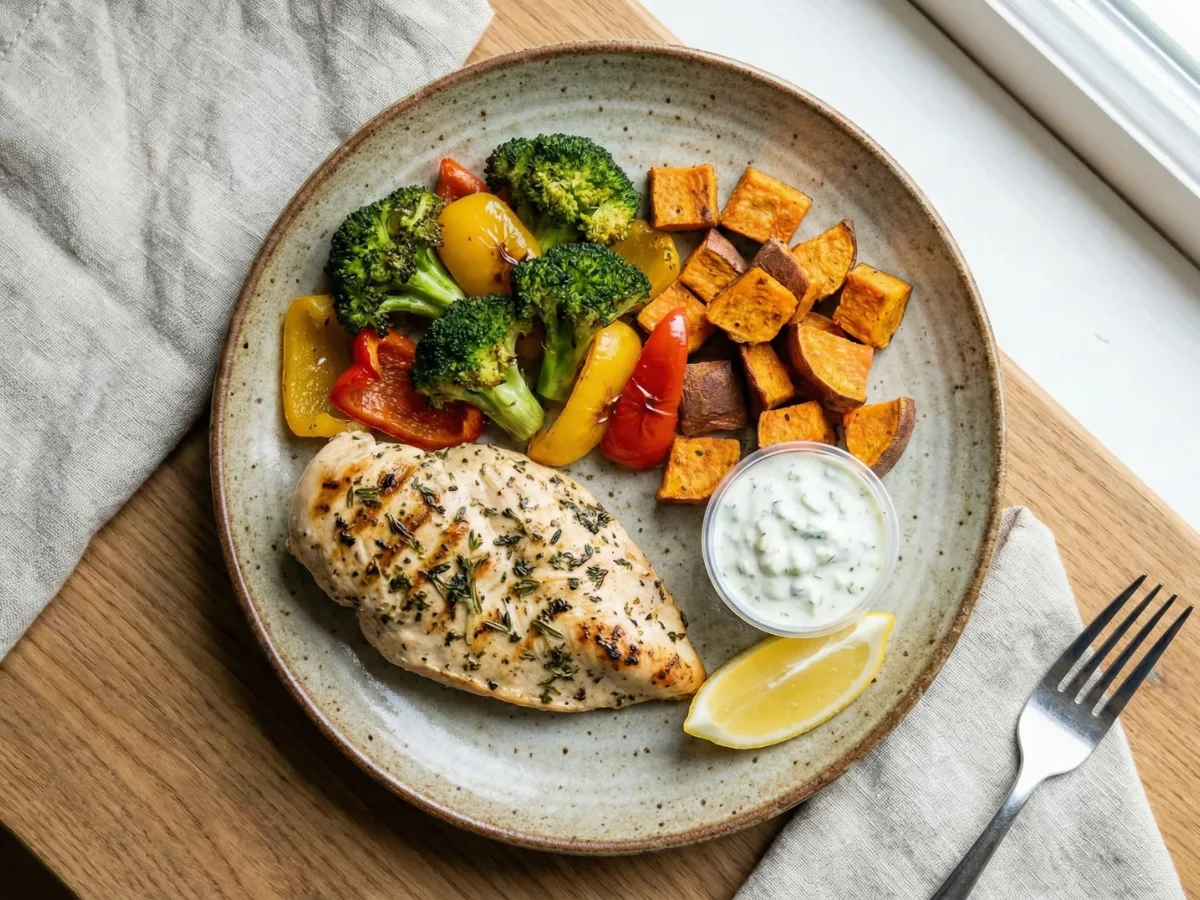
Grilled chicken breast
-
Quinoa
-
Mixed vegetables
Snack:
-
Greek yogurt + berries
Dinner:
-
Salmon fillet
-
Roasted sweet potato
-
Side salad
This structure maintains satiety while fueling training and recovery.
Protein Timing: Does It Matter?
Protein Distribution Beats Timing Tricks
Research shows even protein distribution across meals produces better muscle retention than loading protein into one meal.
Ideal structure:
-
30–45 g protein per meal
-
3–4 meals per day
Post-workout protein improves recovery but does not override total daily intake.
Common Mistakes on a High-Protein Fat Loss Diet
-
Eating too little fiber: Causes digestion issues
-
Avoiding carbs completely: Reduces training performance
-
Relying only on shakes: Limits micronutrients
-
Ignoring hydration: Protein increases water needs
Protein works best inside a balanced nutritional framework.
Is a High-Protein Diet Safe?
For healthy adults, high-protein diets show no negative effects on kidney or liver function in long-term studies. Risks mainly apply to individuals with pre-existing kidney disease.
Adequate hydration and fiber intake further reduce any concerns.
High-Protein Diet for Different Populations
Women
Higher protein improves fat loss while preserving hormonal health. Many women experience reduced cravings and better energy stability.
Older Adults
Protein intake above 1.8 g/kg helps counteract age-related muscle loss (sarcopenia).
Athletes
Protein intakes up to 2.4 g/kg improve body recomposition during cutting phases.
The Future of High-Protein Fat Loss Diets
Precision nutrition is moving toward protein-personalized diets using lean mass, insulin response, and activity data. Early evidence shows personalized protein targets improve fat loss outcomes by 15–20% compared to generic plans.
Protein-first dieting is becoming the standard, not the exception.
Conclusion: Protein Is the Accelerator, Not the Add-On
Fat loss speeds up when protein intake rises. Hunger drops, muscle stays intact, metabolism stays high, and adherence improves naturally.
A high-protein diet for faster fat loss doesn’t rely on extreme restriction or elimination—it relies on biology. Build meals around protein, hit your daily target, and let the physiological advantages compound over time.
Start by increasing protein by 25–30 grams per day this week.
That single change often produces measurable fat loss within 14 days.
Frequently Asked Questions (FAQ)
Does high protein automatically cause fat loss?
No, but it significantly improves satiety and calorie control, making fat loss easier.
Can too much protein turn into fat?
Excess protein rarely converts to fat due to its high thermic cost.
Is protein more important than calories?
Calories determine weight change; protein determines body composition.
Can vegetarians follow a high-protein fat loss diet?
Yes, with legumes, soy products, dairy, and protein blends.
Should protein be higher on rest days?
Yes. Muscle repair and preservation still require adequate protein.