Introduction
Improving your diet doesn’t require drastic changes or complicated nutrition rules. In fact, some of the most effective strategies are surprisingly simple — small actions you can integrate easily into your daily routine. These habits may seem minor, but they play a major role in shaping long-term health, energy levels, and overall well-being. Whether you’re trying to eat healthier, manage your weight, boost your energy, or simply feel better each day, adopting a few consistent habits can make an immediate difference.
This beginner-friendly guide explores ten simple habits that can instantly improve your diet. Each habit is easy, practical, and sustainable, requiring minimal effort but delivering meaningful benefits. You’ll learn how to build smarter meals, stay mindful of your choices, and support your body with better nutrition — without giving up the foods you love or following strict diets.
By the end, you’ll have a clear roadmap for transforming your eating patterns one small step at a time. These habits aren’t about perfection; they’re about progress. And the more consistently you apply them, the stronger and healthier you’ll feel.
1. Start Each Meal with Vegetables
One of the simplest ways to upgrade your diet is to begin meals with vegetables. Doing so increases fiber intake, supports digestion, and naturally reduces overeating by helping you feel fuller. Vegetables add essential vitamins, minerals, and antioxidants — and starting with them encourages a balanced mindset for the rest of the meal. This habit also makes it easier to reach the recommended daily servings of fruits and vegetables.
2. Add a Source of Lean Protein to Every Meal
Protein stabilizes energy, supports muscle growth, and increases satiety. Including a lean source such as chicken, eggs, yogurt, beans, tofu, fish, or lentils helps maintain steady blood sugar and prevents snacking due to hunger. Balanced meals containing protein are especially beneficial for active individuals, older adults, and those trying to manage their weight.
3. Swap Refined Grains for Whole Grains
Switching from refined grains (like white rice or white bread) to whole grains is an easy but powerful dietary upgrade. Whole grains contain fiber, B vitamins, and minerals that refined grains lose during processing. This simple swap improves digestion, boosts sustained energy, and supports heart health. Examples include oats, brown rice, quinoa, barley, and whole-wheat pasta or bread.
4. Drink More Water Throughout the Day
Many people confuse thirst with hunger. Drinking enough water improves metabolism, supports digestion, and helps the body function efficiently. Replacing sugary drinks with water can significantly reduce calorie and sugar intake. Keeping a reusable bottle nearby — at work, home, or on the go — makes staying hydrated effortless.
5. Include Healthy Fats in Moderation
Healthy fats play a vital role in brain function, hormone balance, and nutrient absorption. Adding sources like avocados, nuts, seeds, olive oil, and fatty fish helps you stay satisfied longer and reduces cravings for processed snacks. These fats should not be avoided but enjoyed in controlled portions for maximum benefit.
6. Read Food Labels Before Buying
One habit that instantly improves dietary awareness is reading ingredient lists and nutrition labels. This helps you avoid foods with excessive sugar, salt, or unhealthy fats. Choosing items with fewer ingredients — and ones that you can identify — is usually a sign of a more minimally processed product. This small practice empowers you to make smarter, more informed decisions every time you shop.
7. Prepare More Meals at Home
Cooking at home gives you full control over ingredients, portions, and flavors. Even preparing one extra homemade meal per week can make a noticeable difference. Home-cooked dishes allow you to reduce added oils, sugars, and sodium while increasing nutrient-dense ingredients. Meal prepping, batch cooking, or simply learning a few easy recipes can help turn this into a habit.
8. Practice Mindful Eating
Mindful eating means paying attention to hunger cues, eating slowly, and truly enjoying your food. Many people eat quickly or while distracted, which leads to overeating. Slowing down helps you recognize when you’re satisfied and prevents unnecessary snacking. This habit also enhances the eating experience and encourages a healthier emotional relationship with food.
9. Keep Healthy Snacks Within Reach
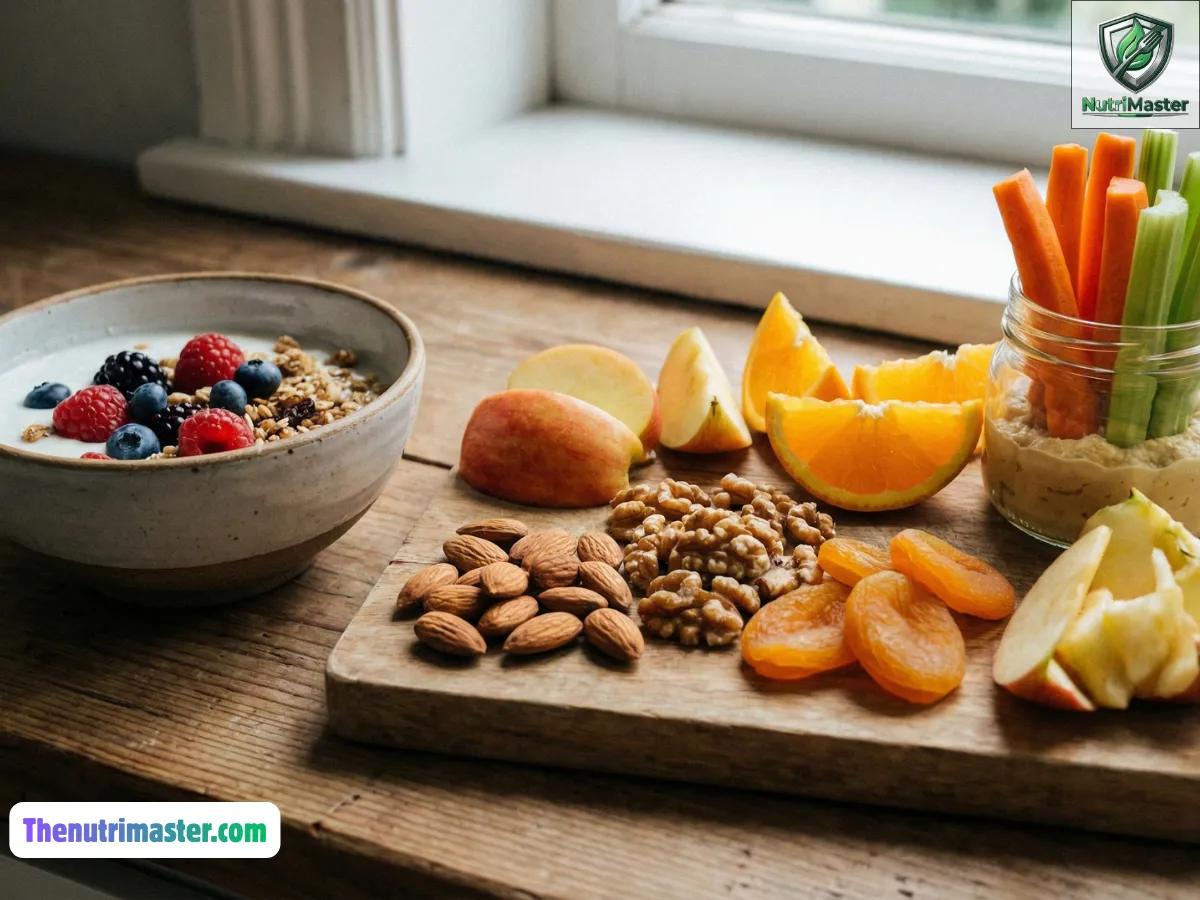
Your environment influences your choices. Stocking nutritious snacks — such as fruit, yogurt, nuts, vegetable sticks, or whole-grain crackers — makes it easier to choose healthier options when hunger strikes. Placing healthier items at eye level in the fridge or pantry increases the likelihood you’ll reach for them first.
10. Plan Your Meals Ahead of Time
Meal planning removes guesswork and reduces last-minute unhealthy decisions. Even a simple weekly outline — like choosing three dinners or prepping basic ingredients — can dramatically improve diet quality. Planning ahead ensures you incorporate vegetables, whole grains, proteins, and balanced snacks throughout the week.
Conclusion
Improving your diet doesn’t require dramatic lifestyle changes. As this guide shows, small habits applied consistently can make an immediate and powerful impact. Starting meals with vegetables, staying hydrated, choosing whole grains, and adding lean protein are all straightforward practices that lead to better nutrition and more stable energy. Meanwhile, mindful eating, healthier snacking, and planning ahead help you stay in control of your choices.
These habits are simple enough for anyone to adopt — whether you’re new to healthy eating or refining your current routine. The real secret lies in repetition. The more these steps become part of your daily life, the easier healthy eating becomes, and the greater the benefits you’ll experience.
Remember: progress is far more important than perfection. Start with one habit today, practice it consistently, and gradually add others over time. You’ll build a healthier, more energized lifestyle one small step at a time.
FAQs
1. How quickly can these habits improve my diet?
You can notice changes in energy, digestion, and cravings within days of applying these habits consistently.
2. Do I need to follow all 10 habits at once?
No. Start with one or two habits and gradually add more as they become routine.
3. Are whole grains healthier than refined grains?
Yes. Whole grains retain fiber and nutrients, making them better for digestion and long-term health.
4. Does mindful eating really help?
Absolutely. Eating slowly and without distractions reduces overeating and improves satisfaction.
5. Are healthy fats necessary?
Yes. Healthy fats support brain function, hormone balance, and energy regulation.
References
https://www.who.int/health-topics/healthy-diet
https://www.nhs.uk/live-well/eat-well
https://www.healthline.com/nutrition
https://www.hsph.harvard.edu/nutritionsource
https://www.mayoclinic.org/healthy-lifestyle/nutrition-and-healthy-eating