📌 أبرز ما ستعرفه |
|
مقدمة: لماذا يفشل معظم الناس في إنقاص الوزن؟
تُشير إحصاءات منظمة الصحة العالمية إلى أن أكثر من مليار شخص حول العالم يعانون من السمنة حتى عام 2022، وتُظهر البيانات الراهنة أن نسبة من يحافظون على الوزن المفقود بعد عام واحد لا تتجاوز 20% ممن يخضعون لبرامج التخسيس التقليدية. السبب لا يكمن في غياب الإرادة، بل في الاعتماد على أساليب تتعارض مع الفسيولوجيا البشرية.
ما يُميّز عام 2026 عن السنوات الماضية هو التحول العلمي نحو نهج متكامل يجمع بين العجز الحراري المُدار، وجودة البروتين، والنشاط البدني المقاوم، وإدارة النوم والتوتر. هذا الدليل مخصص للبالغين الراغبين في خسارة دهون حقيقية ومستدامة بأسلوب مدعوم بأحدث الإرشادات السريرية لعامَي 2024 و2025، بما فيها توجيهات الرابطة الأمريكية للغدد الصماء والإرشادات الكندية لعلاج السمنة.
أولاً: مبدأ العجز الحراري — الأساس الذي لا بديل عنه
خسارة الدهون تستلزم حتماً حالة عجز حراري: أي استهلاك الجسم لطاقة تفوق ما يُدخله من الغذاء. تُوصي المبادئ التوجيهية للرابطة الأمريكية لعلم الغدد الصماء لعام 2025 بعجز يومي يتراوح بين 500 و750 كيلوكالوري لمن يعتمدون على النظام الغذائي وحده، أو تناول ما بين 1200 و1500 كيلوكالوري يومياً للنساء وبين 1500 و1800 للرجال، مع مراعاة التكيف الأيضي.
التكيف الأيضي: العدو الصامت
عند تقليص السعرات الحرارية بصورة مفاجئة وحادة، يستجيب الجسم بآلية تُسمى التوليد الحراري التكيفي، إذ يخفض إنتاجه للطاقة تعويضاً عن الشُّح الغذائي. هذه الآلية هي ما يفسر ظاهرة التوقف المفاجئ عن الخسارة بعد أسابيع من الحمية. الحل العلمي يقوم على عجز تدريجي لا يتجاوز 500 كيلوكالوري يومياً مع ممارسة التمارين المقاومة للحفاظ على معدل الأيض الأساسي.
أداة النظام الوطني للسكري والكلى الأمريكية NIH Body Weight Planner تُتيح حساب العجز الحراري المطلوب وفقاً للوزن المستهدف والإطار الزمني بدقة أعلى من الصيغ التقليدية كمعادلة ميفلين – سان جور.
ثانياً: البروتين — الركيزة الأساسية لحفظ الكتلة العضلية
البروتين لا يقتصر دوره على بناء العضلات؛ فهو يرفع تأثير الحرارة الغذائية إلى 20-30% من سعراته، أي أن الجسم يحرق ثلث سعراته في عملية هضمه. كما يُعزز الشبع عبر تثبيط هرمون الجريلين وتحفيز هرمونات التشبع كـ GLP-1 وPYY.
تحليل تلوي شامل نُشر عام 2024 في مجلة Clinical Nutrition ESPEN وشمل 47 دراسة وأكثر من 3200 مشارك أثبت أن تناول البروتين بمعدل يتجاوز 1.3 غرام لكل كيلوغرام من وزن الجسم يومياً يرتبط بصون الكتلة العضلية بشكل ملحوظ أثناء خسارة الوزن، في حين أن الكميات الأقل من 1.0 غرام/كغ ترتبط بفقدان العضل.
التوزيع الأمثل للبروتين على مدار اليوم
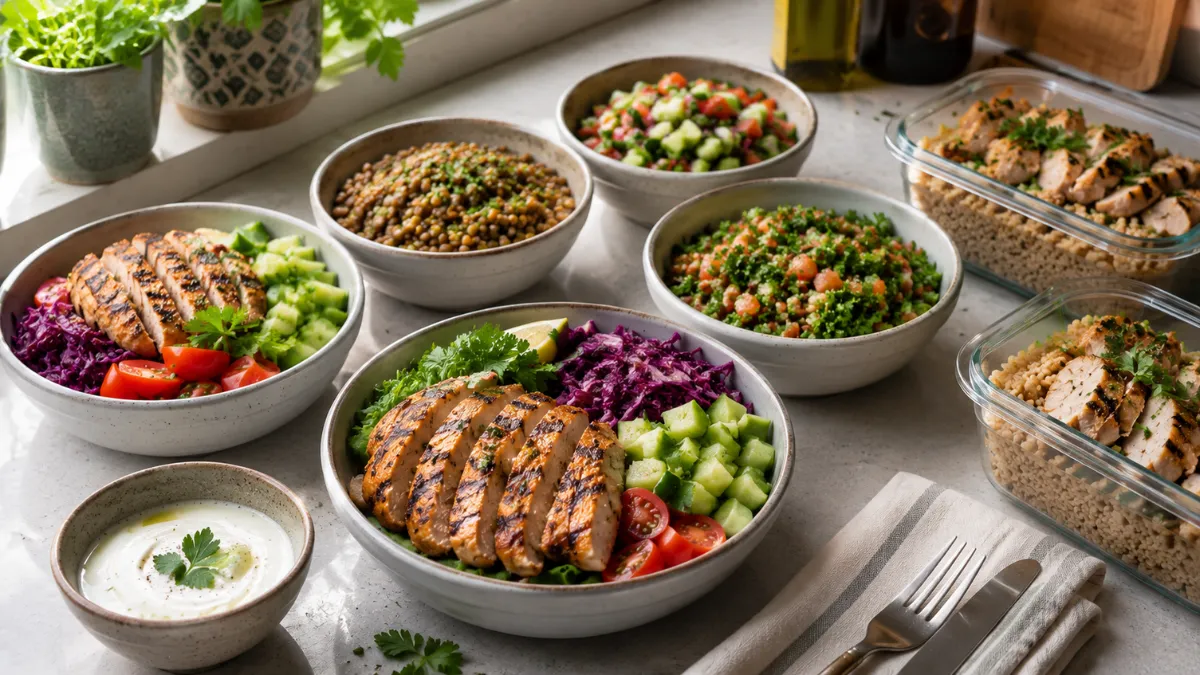
لتعظيم تخليق البروتين العضلي، يُنصح بتوزيع الاستهلاك على 3 إلى 4 وجبات يومياً، بحيث تحتوي كل وجبة على 25 إلى 40 غراماً من البروتين عالي الجودة. أمثلة عملية لمصادر الغذاء:
- بيضتان كبيرتان مع 100 غرام من الجبن القريش: نحو 28 غراماً من البروتين.
- صدر دجاجة مشوية 150 غراماً: نحو 45 غراماً من البروتين.
- علبة تونة بالماء 185 غراماً: نحو 40 غراماً من البروتين.
- كوب من العدس المطبوخ 200 غرام: نحو 18 غراماً من البروتين.
ثالثاً: مقارنة أبرز الأنماط الغذائية لإنقاص الوزن
لا يوجد نظام غذائي واحد يتفوق على غيره في جميع الحالات؛ المعيار الأهم هو الالتزام. الجدول التالي يعرض مقارنة علمية بين الأنماط الغذائية الأكثر دراسةً بحثياً:
| المعيار | تقييد السعرات | الصيام المتقطع 16:8 | النظام الكيتوني | حمية البحر المتوسط |
| آلية الخسارة | عجز حراري مستمر | عجز حراري متقطع | الكيتوسيس + عجز حراري | جودة غذائية + عجز معتدل |
| متوسط الخسارة (6 أشهر) | 5-8% من الوزن | 5-8% من الوزن | 7-10% من الوزن | 4-7% من الوزن |
| الحفاظ على العضل | جيد مع بروتين كافٍ | جيد مع بروتين كافٍ | متوسط | جيد |
| سهولة الالتزام | مرتفعة | متوسطة إلى مرتفعة | منخفضة | مرتفعة |
| تأثير على الكوليسترول | محايد | محايد | مختلط (LDL قد يرتفع) | إيجابي |
| المناسب لـ | الجميع | من يُفضل قيوداً زمنية | مرضى السكري النوع 2* | صحة طويلة الأمد |
| من يجب أن يتجنبه | — | الحوامل والمرضعات | أمراض الكبد والكلى | — |
* يستلزم استخدام النظام الكيتوني في مرضى السكري مراجعة طبية متخصصة وتعديل جرعات الدواء.
رابعاً: التمرين البدني — أكثر من مجرد حرق السعرات
التمارين لا تُضاف للنظام الغذائي كأداة حرق فقط، بل تعمل على مستويات فسيولوجية متعددة: تُحسّن حساسية الأنسولين، ترفع معدل الأيض الأساسي، تُنظم هرمونات الشهية، وتمنع الاستعادة السريعة للوزن بعد الخسارة.
التمرين المقاوم: الأولوية المُهمَلة
تُوصي الإرشادات الكندية للسمنة لعام 2025 بممارسة التمارين المقاومة 3 إلى 4 مرات أسبوعياً تستهدف مجموعات عضلية رئيسية، مع التدرج في الأوزان. هذا النوع من التمرين يُطلق إشارات عضلية تمنع هدم الكتلة العضلية حتى في حالة العجز الحراري.
النشاط البدني التراكمي اليومي
المشي بمعدل 7000 إلى 10000 خطوة يومياً يُضاف بصمة أيضية مستقلة. نتائج نشرتها مجلة Translational Behavioral Medicine تُثبت أن زيادة طفيفة في النشاط التراكمي اليومي ترتبط بتحسينات قابلة للقياس في مؤشرات السمنة حتى قبل الوصول للوزن المستهدف.
خامساً: النوم والتوتر — الحلقة المفقودة في رحلة التخسيس
النوم أقل من 7 ساعات يومياً يرتبط بزيادة هرمون الجريلين (محفز الشهية) وانخفاض هرمون اللبتين (مُشبع الشهية)، مما يدفع نحو استهلاك 250 إلى 350 كيلوكالوري إضافية يومياً دون وعي. على الجانب الآخر، التوتر المزمن يرفع مستويات الكورتيزول الذي يُحفّز تخزين الدهون الحشوية تحديداً في منطقة البطن.
إرشادات الكلية الأمريكية لأمراض القلب لعام 2025 تدرج إدارة النوم والتوتر صراحةً ضمن منظومة العلاج الكامل للسمنة، بجانب النظام الغذائي والتمرين، مؤكدةً أن تجاهل هذين العاملين يُقوّض نتائج الحمية مهما كانت دقيقة.
الخطوات العملية تشمل: الالتزام بموعد ثابت للنوم والاستيقاظ، تجنب الشاشات قبل ساعة من النوم، وممارسة تقنيات الاسترخاء كالتنفس العميق أو التأمل لمدة 10 دقائق يومياً.
سادساً: المتابعة وتجاوز مراحل التوقف عن الخسارة
التوقف عن خسارة الوزن بعد 4 إلى 8 أسابيع أمر متوقع فسيولوجياً لا فشل شخصي. يحدث ذلك لأن الجسم يُعيد ضبط احتياجاته الحرارية بعد خسارة كل كيلوغرام. الإجراءات المُوصى بها عند التوقف:
- إعادة حساب العجز الحراري بناءً على الوزن الجديد لا الوزن الأصلي.
- رفع كثافة التمارين المقاومة أو تنويع مجموعات العضلات المستهدفة.
- مراجعة سجل الغذاء للكشف عن زيادة تدريجية غير واعية في السعرات.
- إضافة وجبة استراحة حرارية أسبوعية (Refeed Day) واحدة تُقلل الضغط التكيفي على الأيض.
خلاصة: خطواتك العملية ابتداءً من اليوم
الأثر الصحي لخسارة 5 إلى 10% فقط من الوزن الأصلي حقيقي وقابل للقياس: تحسّن حساسية الأنسولين، انخفاض ضغط الدم، تراجع مؤشرات الالتهاب، وتقليل خطر أمراض القلب — حتى قبل الوصول للوزن المثالي.
ابدأ بثلاثة إجراءات فورية: احسب احتياجاتك الحرارية باستخدام أداة NIH، حدد هدفاً بروتينياً يومياً لا يقل عن 1.2 غرام لكل كيلوغرام من وزنك، وأضف جلستَي تمرين مقاوم أسبوعياً كحد أدنى. بعد 12 أسبوعاً، قيّم النتائج وعدّل العجز الحراري وفق الوزن المستجد.
تجاهل هذه الاستراتيجيات يعني استمرار الاعتماد على أنظمة سريعة تنتهي باستعادة الوزن وأكثر. العلم متاح؛ ما يُحدث الفارق هو التطبيق المنهجي الذي يمتد أشهراً لا أياماً.
الأسئلة الشائعة
| س: ما هي الكمية الآمنة لإنقاص الوزن أسبوعياً؟
ج: الخسارة الآمنة والمستدامة تتراوح بين 0.5 و1 كيلوغرام أسبوعياً. الخسارة الأسرع من ذلك تزيد خطر فقدان الكتلة العضلية وتتسبب في نقص المغذيات وانخفاض معدل الأيض. س: هل الصيام المتقطع أفضل من تقييد السعرات الحرارية؟ ج: لا. تحليل تلوي منشور عام 2025 في Nutrition, Metabolism and Cardiovascular Diseases أثبت أن الصيام المتقطع لا يتفوق على تقييد السعرات عند تساوي العجز الحراري. الاختيار بينهما يعتمد على ما يسهل الالتزام به شخصياً. س: هل يمكن إنقاص الوزن دون ممارسة الرياضة؟ ج: نعم، لكن التمرين المقاوم ضروري للحفاظ على الكتلة العضلية وتجنب الارتداد. الخسارة بالنظام الغذائي وحده ترتبط بفقد عضلي أعلى بنسبة 10 إلى 15% مقارنةً بمن يجمع بين الحمية والتمرين. س: لماذا يتوقف الوزن عن الانخفاض رغم الالتزام بالحمية؟ ج: التوقف الأيضي طبيعي ومتوقع. الجسم يُعيد حساب احتياجاته الحرارية بعد كل خسارة. الحل هو تحديث العجز الحراري بناءً على الوزن الجديد وزيادة كثافة التمرين. س: هل الدهون الغذائية تُسبب زيادة الوزن؟ ج: الدهون الصحية كزيت الزيتون والأفوكادو والمكسرات لا تسبب السمنة بذاتها. السبب الفعلي هو الفائض الحراري الإجمالي. الكربوهيدرات المكررة والسكريات المضافة تُعدّ عاملاً أكثر أهمية في إشكاليات الوزن. |