📌 أبرز ما ستعرفه:
- انخفاض الرقم على الميزان لا يعني دائماً تحسناً في الصحة أو تكوين الجسم.
- خسارة الدهون مع الحفاظ على العضلات ترتبط بنتائج أيضية وصحية أفضل من فقدان الوزن السريع.
- تمارين المقاومة والبروتين الكافي عاملان أساسيان للحفاظ على الكتلة العضلية أثناء الحمية.
مقدمة
يركز كثير من الأشخاص على رقم الميزان باعتباره المؤشر الأساسي للنجاح عند اتباع الحميات الغذائية، لكن هذا الرقم لا يوضح ما إذا كان الجسم يخسر دهوناً أم ماءً أم كتلة عضلية. لهذا السبب، قد يلاحظ بعض الأشخاص انخفاضاً سريعاً في الوزن دون تحسن واضح في شكل الجسم أو مستويات الطاقة أو الصحة الأيضية.
في المقابل، تشير الأدلة الحديثة إلى أن خسارة الدهون، خصوصاً الدهون الحشوية المحيطة بالأعضاء، ترتبط بتحسن أكبر في حساسية الإنسولين وصحة القلب والكبد مقارنة بخسارة الوزن الناتجة عن فقدان الماء أو العضلات. كما أن الحفاظ على الكتلة العضلية أثناء الحمية يساعد على استقرار معدل الأيض وتحسين الأداء البدني وتقليل خطر استعادة الوزن لاحقاً.
أصبح مفهوم «تكوين الجسم» أكثر أهمية في 2026 من مجرد متابعة الوزن الكلي، خصوصاً مع انتشار السمنة الخفية، وهي حالة يمتلك فيها الشخص وزناً طبيعياً ظاهرياً مع ارتفاع نسبة الدهون وانخفاض الكتلة العضلية.
هذا المقال يشرح الفرق العلمي بين خسارة الدهون وخسارة الوزن، وكيف يؤثر كل منهما على الصحة، وما أفضل الطرق لتحقيق تغير حقيقي ومستدام في تكوين الجسم.
ما الفرق بين خسارة الوزن وخسارة الدهون؟
خسارة الوزن تعني انخفاض الوزن الكلي للجسم، والذي قد يشمل:
- الدهون
- الماء
- الكتلة العضلية
- مخزون الجليكوجين
أما خسارة الدهون، فتعني تقليل الأنسجة الدهنية تحديداً مع الحفاظ قدر الإمكان على العضلات والماء.
لماذا هذه النقطة مهمة؟
قد يفقد شخصان 5 كغ:
- الأول يفقد دهوناً مع الحفاظ على العضلات.
- الثاني يفقد ماءً وكتلة عضلية.
النتيجة الصحية والشكل الجسدي سيكونان مختلفين تماماً.
ماذا يحدث عند فقدان العضلات؟
فقدان الكتلة العضلية قد يؤدي إلى:
- انخفاض معدل الأيض.
- ضعف القوة البدنية.
- زيادة احتمالية استعادة الوزن.
- انخفاض جودة الحياة مع التقدم بالعمر.
الدهون الحشوية أخطر من الوزن المرتفع وحده
ليست كل الدهون متساوية. الدهون الحشوية الموجودة حول الكبد والبنكرياس والأعضاء الداخلية ترتبط بشكل أكبر بالمشكلات الأيضية.
زيادة الدهون الحشوية ترتبط بـ:
- مقاومة الإنسولين.
- السكري من النوع الثاني.
- ارتفاع ضغط الدم.
- أمراض القلب.
- الكبد الدهني.
حتى الأشخاص ذوو الوزن الطبيعي قد يمتلكون نسبة مرتفعة من الدهون الحشوية بسبب قلة النشاط وضعف الكتلة العضلية وسوء التغذية.
كيف تعرف أن الدهون الحشوية مرتفعة؟
بعض العلامات الشائعة:
- زيادة محيط الخصر.
- تراكم الدهون حول البطن.
- ارتفاع الدهون الثلاثية.
- التعب بعد الوجبات.
- ارتفاع سكر الدم.
لماذا الحميات القاسية تسبب فقدان العضلات؟
عند خفض السعرات بشكل شديد، يحاول الجسم التكيف عبر تقليل استهلاك الطاقة واستخدام بعض الأنسجة العضلية كمصدر للطاقة، خصوصاً عند:
- انخفاض البروتين.
- غياب تمارين المقاومة.
- خسارة الوزن السريعة جداً.
تشير الدراسات إلى أن فقدان الوزن السريع قد يؤدي إلى فقدان نسبة أكبر من الكتلة الخالية من الدهون مقارنة بخسارة الوزن التدريجية.
علامات فقدان العضلات أثناء الحمية
- ضعف القوة البدنية.
- ترهل الجسم رغم نزول الوزن.
- التعب والإرهاق.
- بطء التعافي الرياضي.
- ثبات الوزن لاحقاً.
كيف تخسر الدهون وتحافظ على العضلات؟
1. تناول كمية بروتين كافية
البروتين يساعد على:
- الحفاظ على الكتلة العضلية.
- زيادة الشبع.
- دعم التعافي العضلي.
- رفع التأثير الحراري للغذاء.
يفضل استهداف:
- 1.2–2 غرام بروتين لكل كغ من وزن الجسم يومياً حسب النشاط البدني.
أفضل المصادر:
- البيض.
- الأسماك.
- الدجاج.
- الزبادي اليوناني.
- البقوليات.
2. ممارسة تمارين المقاومة
تمارين المقاومة من أهم العوامل للحفاظ على العضلات أثناء العجز الحراري.
تشمل:
- الأوزان الحرة.
- الأجهزة الرياضية.
- تمارين وزن الجسم.
الفوائد:
- تحسين حساسية الإنسولين.
- زيادة القوة.
- دعم تكوين الجسم.
- تقليل خسارة العضلات.
3. تجنب العجز الحراري المبالغ فيه
العجز المعتدل غالباً أكثر استدامة وأفضل للحفاظ على العضلات.
التوصيات العامة:
- خسارة 0.5–1% من وزن الجسم أسبوعياً.
- تجنب الحميات شديدة الانخفاض بالسعرات دون إشراف طبي.
مقارنة بين خسارة الدهون وخسارة الوزن
| العنصر | خسارة الدهون | خسارة الوزن فقط |
|---|---|---|
| الهدف الأساسي | تقليل الدهون مع الحفاظ على العضلات | تقليل الرقم على الميزان |
| التأثير الصحي | تحسن أيضي أكبر | قد يكون محدوداً |
| معدل الأيض | أكثر استقراراً | قد ينخفض مع فقدان العضلات |
| شكل الجسم | تحسن أوضح | قد يظهر ترهل |
| الطاقة والأداء | أفضل غالباً | قد ينخفضان |
| الاستدامة | أعلى | أقل في الحميات القاسية |
| الأنسب لـ | تحسين الصحة وتكوين الجسم | النزول السريع المؤقت |
لماذا قد لا ينخفض الوزن رغم خسارة الدهون؟
بعض الأشخاص يشعرون بالإحباط لأن الميزان لا يتحرك بسرعة، رغم حدوث تغيرات إيجابية فعلية.
الأسباب المحتملة:
- زيادة الكتلة العضلية.
- احتباس الماء المؤقت.
- تغيرات هرمونية.
- اختلاف توقيت القياس.
مؤشرات أهم من الميزان
راقب:
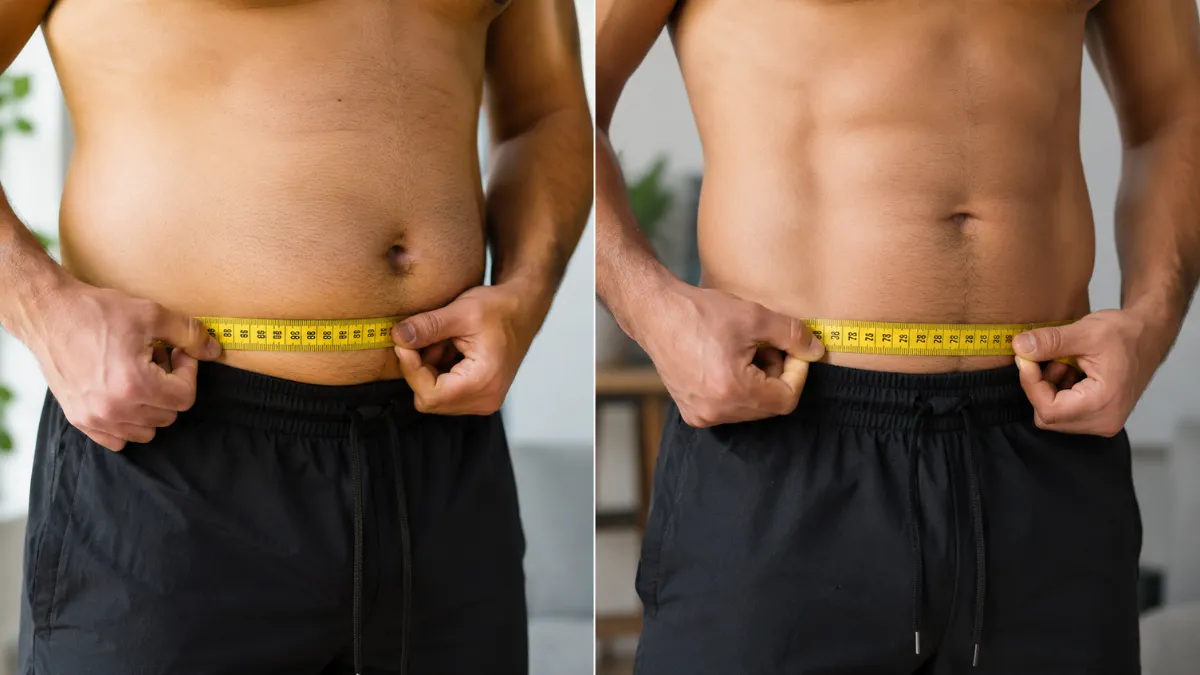
- محيط الخصر.
- مقاسات الملابس.
- صور التقدم.
- القوة البدنية.
- مستوى النشاط والطاقة.
هل مؤشر كتلة الجسم كافٍ لتقييم الصحة؟
مؤشر كتلة الجسم (BMI) مفيد كمؤشر عام، لكنه لا يميز بين الدهون والعضلات.
قد يكون الشخص:
- ذا وزن طبيعي مع دهون مرتفعة.
- رياضياً بعضلات مرتفعة وBMI مرتفع دون سمنة حقيقية.
لذلك يُفضل تقييم:
- نسبة الدهون.
- محيط الخصر.
- النشاط البدني.
- التحاليل الأيضية.
أفضل استراتيجية لتحسين تكوين الجسم في 2026
الأبحاث الحديثة تدعم الجمع بين:
- عجز حراري معتدل.
- بروتين مرتفع نسبياً.
- تمارين المقاومة.
- نوم جيد.
- نشاط يومي مرتفع.
نموذج عملي أسبوعي
| العنصر | التوصية |
|---|---|
| البروتين | 25–35 غرام لكل وجبة |
| تمارين المقاومة | 3–4 مرات أسبوعياً |
| المشي | 7000–10000 خطوة |
| النوم | 7–9 ساعات |
| خسارة الوزن | تدريجية ومستدامة |
الخلاصة
التركيز على خسارة الوزن فقط قد يكون مضللاً، لأن الرقم على الميزان لا يوضح نوع الكتلة المفقودة. التحسن الحقيقي في الصحة الأيضية وتكوين الجسم يحدث عند تقليل الدهون، خصوصاً الدهون الحشوية، مع الحفاظ على الكتلة العضلية.
الحميات القاسية قد تعطي نزولاً سريعاً في الوزن، لكنها غالباً تزيد خطر فقدان العضلات واستعادة الوزن لاحقاً. أما النهج الأكثر فعالية واستدامة، فيعتمد على عجز حراري معتدل، وبروتين كافٍ، وتمارين مقاومة، ونشاط يومي منتظم.
إذا استمر الشخص في مطاردة النزول السريع دون الاهتمام بتكوين الجسم، فقد يخسر عضلات مهمة تؤثر في القوة والصحة والأيض مستقبلاً. أما التركيز على خسارة الدهون بشكل تدريجي، فقد يحسن الطاقة والشكل الجسدي وصحة القلب والتمثيل الغذائي خلال الأشهر والسنوات القادمة.
الأسئلة الشائعة
س: هل خسارة الوزن تعني دائماً خسارة الدهون؟
ج: لا. قد يفقد الجسم ماءً أو عضلات أيضاً، خصوصاً مع الحميات القاسية أو السريعة.
س: ما أفضل طريقة للحفاظ على العضلات أثناء الحمية؟
ج: تناول بروتين كافٍ مع ممارسة تمارين المقاومة وتقليل العجز الحراري المبالغ فيه.
س: لماذا تغير شكل جسمي رغم ثبات الوزن؟
ج: قد تكون تخسر دهوناً وتكتسب عضلات في الوقت نفسه، وهو تغير إيجابي في تكوين الجسم.
س: هل الدهون الحشوية أخطر من الدهون العادية؟
ج: نعم. ترتبط الدهون الحشوية بشكل أكبر بالسكري وأمراض القلب والكبد الدهني.
س: كم معدل خسارة الدهون الصحي أسبوعياً؟
ج: غالباً بين 0.5–1% من وزن الجسم أسبوعياً لتحقيق نتائج مستدامة وآمنة.
المصادر
- https://www.cdc.gov/healthy-weight-growth/losing-weight/index.html
- https://www.hsph.harvard.edu/nutritionsource/healthy-weight/
- https://www.niddk.nih.gov/health-information/weight-management/adult-overweight-obesity
- https://www.ncbi.nlm.nih.gov/books/NBK279077/
- https://www.health.harvard.edu/staying-healthy/abdominal-fat-and-what-to-do-about-it
- https://www.frontiersin.org/journals/nutrition/articles/10.3389/fnut.2025.1664811/full