
📌 Key Takeaways:
- Mediterranean-style eating patterns with high fiber (>30 g/day), adequate protein (1.2–1.6 g/kg), and minimal ultra-processed foods improve insulin sensitivity and reduce type 2 diabetes risk.
- Combine moderate calorie control (if overweight), resistance training, and 7–9 hours sleep for best results; 5–10% weight loss often significantly enhances insulin action.
- Focus on sustainable habits rather than extremes—avoid very-low-carb or restrictive plans without medical supervision due to adherence and nutrient risks.
Introduction
Insulin resistance occurs when cells respond less effectively to insulin, leading to elevated blood glucose, increased fat storage, fatigue, and higher risks for prediabetes, type 2 diabetes, and cardiovascular disease. It affects millions worldwide and is driven by excess visceral fat, inactivity, poor diet, and genetics.
In 2026, ADA Standards of Care and Dietary Guidelines emphasize flexible, evidence-based patterns like Mediterranean-style eating to improve insulin sensitivity without rigid macronutrient limits. This step-by-step guide targets adults with insulin resistance or prediabetes seeking practical, sustainable changes. Readers receive a clear 7-day framework, shopping lists, meal timing tips, and lifestyle integration for better blood sugar stability, energy, and long-term metabolic health. Expect noticeable improvements in energy and labs within 4–12 weeks when combined with movement and consistency.
Step 1: Understand Core Principles of the Insulin Resistance Diet
Focus on nutrient-dense, minimally processed foods that stabilize blood glucose and reduce inflammation. Prioritize:
- Non-starchy vegetables and fiber-rich foods.
- Lean and plant-based proteins.
- Healthy unsaturated fats.
- Whole grains and low-GI carbohydrates in moderation.
Macronutrient Targets (example for 1,800 kcal/day):
- Protein: 25–35% (1.2–1.6 g/kg body weight).
- Carbohydrates: 40–50% from high-fiber sources.
- Fats: 25–35% (emphasize olive oil, nuts, avocado, fatty fish).
Limit added sugars, refined grains, and ultra-processed foods. Aim for a moderate calorie deficit if overweight.
Step 2: Build Your Plate and Meal Timing
Use the diabetes plate method: Half non-starchy vegetables, quarter protein, quarter whole grains or starchy vegetables. Include healthy fats.
Recommended Timing: Consistent meals every 4–5 hours; consider 10–12 hour eating window for many.
Sample Daily Structure (~1,700–1,900 kcal, 120–150 g protein):
- Breakfast: High-protein, fiber-rich start.
- Lunch & Dinner: Balanced plates.
- Snacks: Optional, nutrient-dense.
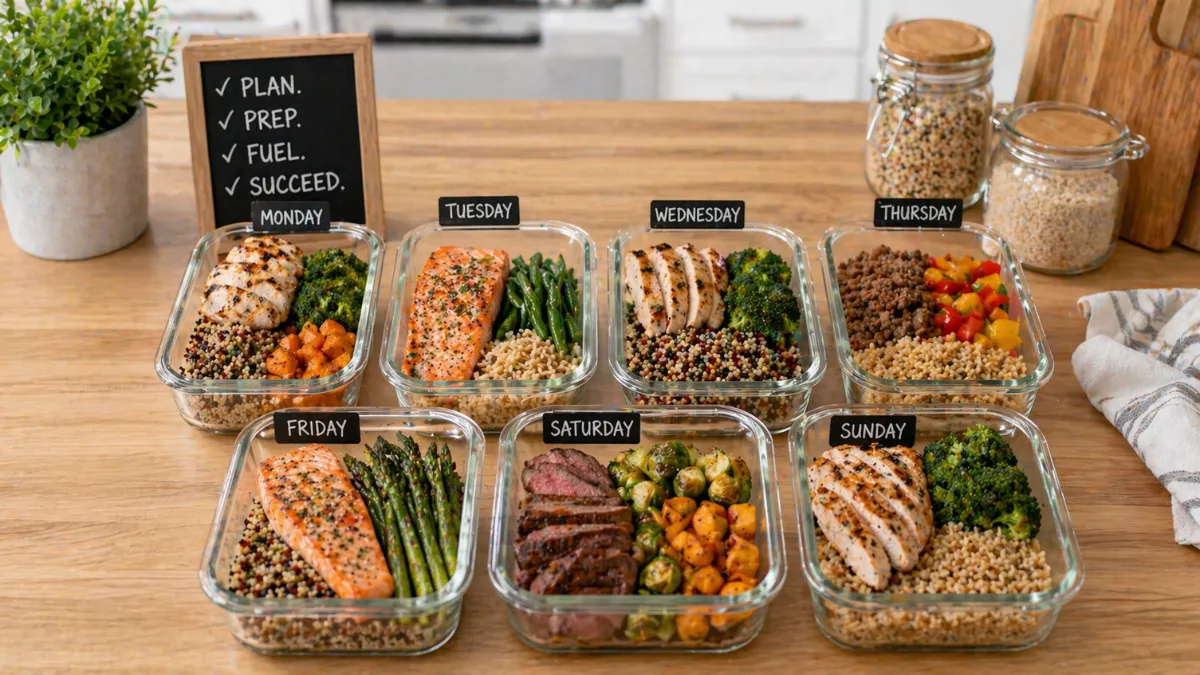
Step 3: 7-Day Sample Meal Plan
Day 1
- Breakfast: Greek yogurt (200 g) + berries + almonds + chia (35 g protein).
- Lunch: Grilled chicken (150 g) salad with mixed greens, tomatoes, cucumber, olive oil, quinoa (60 g cooked).
- Dinner: Baked salmon (120 g) + broccoli + sweet potato.
- Snack: Apple + handful walnuts.
Day 2
- Breakfast: Veggie omelette (3 eggs + spinach, peppers) + whole grain toast.
- Lunch: Lentil stew with vegetables and feta.
- Dinner: Turkey or tofu stir-fry with abundant vegetables and brown rice.
Repeat pattern with variety (fish 2–3x/week, legumes often). Adjust portions for personal needs.
Bullet List of Best Foods to Include:
- Non-starchy vegetables (broccoli, spinach, peppers, zucchini).
- Fruits (berries, apples, citrus).
- Proteins (fish, poultry, eggs, Greek yogurt, legumes, tofu).
- Whole grains (quinoa, oats, barley).
- Healthy fats (olive oil, avocados, nuts, seeds).
Step 4: Exercise, Lifestyle, and Monitoring
Resistance training 2–3x/week and 150+ minutes moderate activity improve glucose uptake. Prioritize sleep and stress reduction.
Comparison Table: Diet Patterns for Insulin Resistance
| Pattern | Insulin Sensitivity Benefit | Fiber/Protein Focus | Sustainability | Best Evidence |
|---|---|---|---|---|
| Mediterranean | High | Excellent | Highest | Strongest long-term data |
| DASH | High | Good | High | Blood pressure + glucose |
| Higher-Protein Balanced | High | Excellent | High | Muscle preservation |
| Very Low-Carb | Moderate–High short-term | Variable | Moderate | Faster initial improvements |
Risks and Contraindications: Rapid restriction can cause fatigue or nutrient gaps. Consult providers if on diabetes medications (hypoglycemia risk), pregnant, or with kidney issues (protein monitoring).
Step 5: Shopping List, Tracking, and Long-Term Maintenance
Weekly Staples: Eggs, Greek yogurt, fatty fish, chicken, leafy greens, berries, olive oil, legumes, nuts, whole grains.
Track blood glucose (if applicable), energy, and weight/waist. Reassess every 4 weeks. Include diet flexibility for adherence.
Conclusion
This step-by-step insulin resistance diet plan centers on Mediterranean-style whole foods, balanced plates, adequate protein, and fiber to improve sensitivity and metabolic health sustainably. Combined with activity, sleep, and stress management, it supports better blood sugar control, energy, and reduced disease risk. Next steps: Stock your kitchen with recommended foods, follow the sample plan for one week, add two strength sessions, and monitor how you feel. Long-term, treat this as a lifelong pattern rather than temporary restriction. Consistency with these habits yields lasting improvements. Consult a registered dietitian or healthcare provider for personalization, medication adjustments, or underlying conditions.
FAQ — People Also Ask
Q: What foods should I avoid with insulin resistance?
A: Limit ultra-processed foods, added sugars, refined grains, sugary drinks, and excessive saturated fats.
Q: How quickly can diet improve insulin resistance?
A: Noticeable improvements in energy and blood markers often occur in 4–12 weeks with consistent changes.
Q: Is the Mediterranean diet best for insulin resistance?
A: Yes. Strong evidence shows it reduces insulin resistance and type 2 diabetes risk more effectively than many alternatives.
Q: Do I need to count carbs strictly?
A: Focus on quality and portions rather than strict counting; emphasize fiber-rich sources.
Q: Can exercise replace diet for insulin resistance?
A: No. Diet and activity work synergistically; both are essential for optimal results.
References
- https://diabetesjournals.org/care/issue/49/Supplement_1
- https://pmc.ncbi.nlm.nih.gov/articles/PMC7692768/
- https://www.ahajournals.org/doi/10.1161/CIR.0000000000001435
- https://pmc.ncbi.nlm.nih.gov/articles/PMC12192665/
- https://diabetes.org/food-nutrition/eating-for-diabetes-management
- https://health.clevelandclinic.org/insulin-resistance-diet
- https://pmc.ncbi.nlm.nih.gov/articles/PMC9986487/