
📌 Key Takeaways:
- In obesity, leptin resistance and elevated ghrelin after weight loss increase hunger, while insulin resistance promotes fat storage—changes largely reversible with sustained 5–10% body weight reduction.
- Moderate calorie deficit, higher protein (1.2–1.6+ g/kg), resistance training, 7–9 hours sleep, and stress management improve hormonal signaling and body composition without medications in most cases.
- Thyroid, sex hormone, or significant imbalances require medical evaluation; lifestyle remains the foundation for long-term results.
Introduction
Hormones orchestrate appetite, energy expenditure, fat distribution, and metabolic rate, making them central to why some individuals lose weight more readily than others. In obesity, common disruptions include leptin resistance (reduced satiety signaling despite high levels), elevated ghrelin (increased hunger), insulin resistance (favoring fat storage), and elevated cortisol from chronic stress (promoting abdominal fat). Thyroid and sex hormone shifts further complicate progress.
These interactions explain post-loss hunger surges and regain risk observed in long-term studies. In 2026, clinical focus remains on lifestyle interventions that positively influence multiple hormonal pathways rather than isolated “fixes.” This guide targets adults struggling with plateaus or hormonal-related barriers seeking realistic, evidence-supported approaches. Readers gain practical tools: nutrition and training strategies that support hormonal health, monitoring methods, and when to seek medical input for improved fat loss, energy, and metabolic outcomes.
Key Hormones Regulating Weight
Leptin and Ghrelin (Appetite Signals): Leptin from fat cells signals fullness; levels rise with adiposity but resistance develops in obesity, blunting effects. Weight loss lowers leptin, increasing hunger. Ghrelin from the stomach rises before meals to stimulate appetite and often increases further after dieting.
Insulin: Regulates blood glucose and promotes fat storage. Chronic elevation and resistance in obesity hinder fat mobilization.
Cortisol: Stress hormone that elevates blood sugar and encourages visceral fat deposition when chronically high.
Thyroid Hormones (T3/T4): Control basal metabolic rate. Subclinical hypothyroidism or elevated TSH commonly associates with weight gain.
Sex Hormones: In women, estrogen decline during menopause shifts fat centrally and reduces muscle. In men, low testosterone links to increased fat mass and reduced lean tissue.
Practical Signs of Hormonal Influence: Persistent hunger despite adequate calories, abdominal fat gain despite effort, fatigue, or stalled loss despite tracking.
How Lifestyle Influences Hormonal Balance for Fat Loss
Sustainable improvements occur through habits that enhance sensitivity and normalize levels. Moderate calorie deficit (500–750 kcal/day) combined with nutrient-dense foods reduces insulin demand and supports leptin sensitivity over time.
Nutrition Strategies:
- Prioritize protein (1.2–1.6+ g/kg) for satiety and muscle preservation.
- Emphasize fiber-rich vegetables, whole grains, and healthy fats (Mediterranean-style).
- Limit ultra-processed foods and added sugars that spike insulin.
Sample Daily Framework (~1,700 kcal, high protein):
- Breakfast: Greek yogurt (200 g) with berries and almonds.
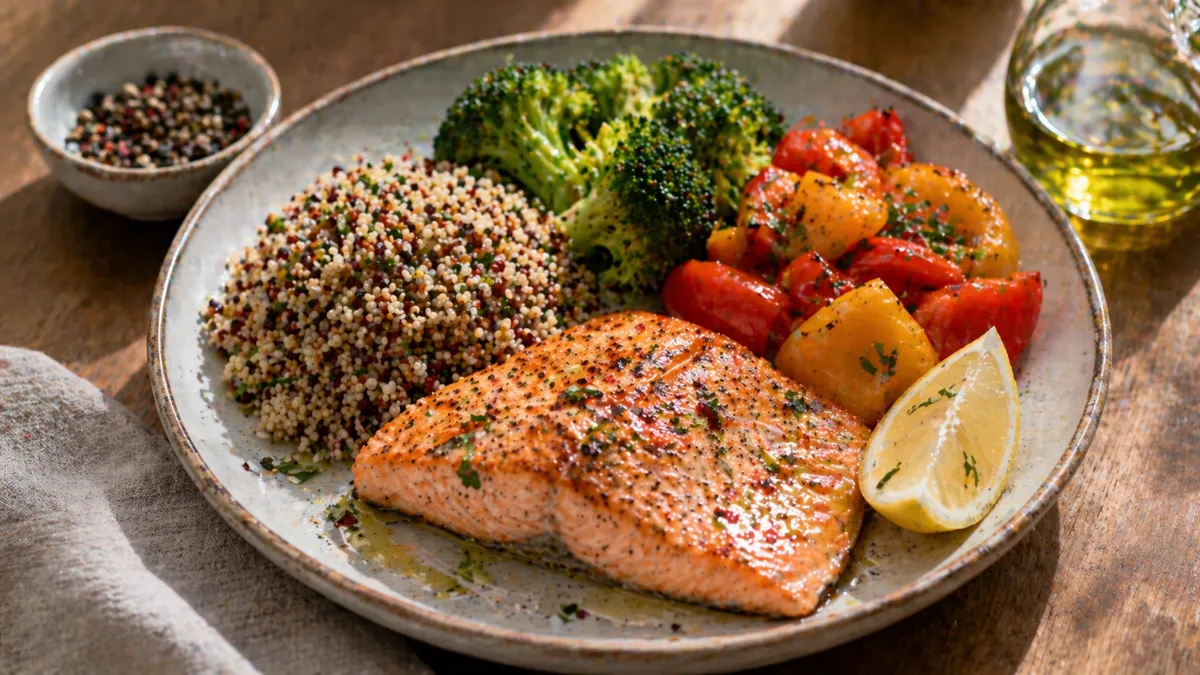
- Lunch: Grilled chicken or fish (150 g), quinoa, large vegetable salad with olive oil.
- Dinner: Lentils or lean beef (120 g), sweet potato, broccoli.
- Snacks: Cottage cheese or apple with nuts.
Exercise and Recovery: Resistance training 3–4x/week preserves muscle (supporting metabolism and testosterone). Aerobic activity and daily steps improve insulin sensitivity. Sleep 7–9 hours normalizes ghrelin/leptin and cortisol. Stress reduction (walks, mindfulness) lowers cortisol.
Hormonal Changes by Life Stage and Condition
Menopause: Estrogen decline promotes central fat. Menopausal hormone therapy (MHT) combined with lifestyle or medications like tirzepatide shows enhanced weight loss in recent data, but MHT is not indicated primarily for weight loss.
Low Testosterone in Men: Weight loss itself often raises levels; resistance training and adequate calories/fats support this.
Thyroid Function: Screen TSH/free T4 if symptoms present. Treat diagnosed hypothyroidism; do not use thyroid hormones for weight loss with normal function.
Comparison Table: Hormonal Impacts and Evidence-Based Responses
| Hormone | Common Issue in Obesity/Weight Loss | Effect on Fat Loss | Practical Interventions | Evidence Notes |
|---|---|---|---|---|
| Leptin | Resistance, drops with loss | Increased hunger | Moderate deficit, high protein/fiber, sleep | Improves with sustained fat loss |
| Ghrelin | Often rises post-diet | Stronger appetite | Protein-rich meals, consistent timing | Mitigated by lifestyle consistency |
| Insulin | Resistance common | Fat storage preference | Fiber, resistance training, calorie control | Sensitivity rises with 5–10% loss |
| Cortisol | Elevated by stress | Visceral fat accumulation | Sleep, stress management, NEAT | Lowers with recovery habits |
| Thyroid | Subclinical changes | Slower metabolism | Medical screening if symptomatic | Treat only if clinically indicated |
| Sex Hormones | Decline in menopause/low T | Central fat, muscle loss | Resistance training, weight loss | Improvements via lifestyle/meds |
Risks, Monitoring, and When to Seek Help
Rapid loss or extreme restriction can worsen hormonal disruptions (further leptin drop, cortisol rise, muscle loss). Avoid unproven supplements claiming to “balance hormones.”
Monitoring Tools:
- Track weight, waist circumference, energy, hunger, and sleep.
- Bloodwork: TSH, fasting insulin/glucose, testosterone/estradiol if indicated.
- Body composition (beyond scale).
Who Should Consult a Provider: Individuals with suspected thyroid issues, PCOS, significant fatigue, irregular cycles, or stalled progress despite adherence. Pregnant, breastfeeding, or those with eating disorders require caution with deficits.
Practical Next Steps for Hormonal Support and Fat Loss
- Audit current intake and sleep for 1–2 weeks.
- Implement higher-protein meals and 3 weekly strength sessions.
- Add daily stress reduction and consistent bedtime.
- Reassess progress at 4–6 weeks using multiple metrics.
- Seek medical input for targeted testing if needed.
Risks of Ignoring Hormonal Factors: Continued frustration, yo-yo cycling, and metabolic strain. Focus on sustainable 5–10% loss for meaningful improvements across pathways.
Conclusion
Hormones significantly influence weight regulation through appetite, storage, and expenditure signals, but lifestyle habits powerfully modulate these systems. Moderate calorie control, nutrient-dense eating, resistance training, sleep, and stress management enhance insulin sensitivity, leptin/ghrelin balance, and overall metabolic health more effectively than isolated interventions. Next steps involve consistent application of these habits while monitoring real-life markers like energy and measurements. Long-term perspective views hormonal health and fat loss as interconnected outcomes of ongoing self-care, reducing disease risk and supporting vitality. Consult healthcare providers for evaluation of underlying conditions or personalized plans, particularly around medications, menopause, or thyroid function. Evidence-based consistency outperforms quick fixes for lasting results.
FAQ — People Also Ask
Q: Can fixing hormones make weight loss easier?
A: Yes. Improving insulin sensitivity, sleep, and stress through lifestyle often normalizes appetite signals and supports fat loss.
Q: Does low thyroid always cause weight gain?
A: Untreated hypothyroidism can slow metabolism, but most weight issues in obesity stem from lifestyle; screen and treat clinically if indicated.
Q: Is leptin resistance reversible?
A: Partially yes. Sustained fat loss, higher protein/fiber intake, and better sleep improve sensitivity over time.
Q: How does stress affect weight loss hormones?
A: Elevated cortisol promotes abdominal fat and cravings; daily management lowers its impact.
Q: Should I test hormones before trying to lose weight?
A: Not routinely. Start with lifestyle changes; test if progress stalls or symptoms suggest imbalance.
References
- https://pmc.ncbi.nlm.nih.gov/articles/PMC8167040/
- https://www.ncbi.nlm.nih.gov/books/NBK279053/
- https://endocrinologia-chuc.org/wp-content/uploads/2022/06/European-Society-of-Endocrinology-Clinical-Practice-Guideline_-Endocrine-work-up-in-obesity.pdf
- https://pmc.ncbi.nlm.nih.gov/articles/PMC9986487/ https://www.thelancet.com/journals/lanogw/article/PIIS3050-5038(25)00145-1/abstract https://pmc.ncbi.nlm.nih.gov/articles/PMC12787890/
- https://www.mayoclinic.org/healthy-lifestyle/weight-loss/in-depth/weight-loss-plateau/art-20044615