
📌 أبرز ما ستعرفه
- عجز يومي يتراوح بين 500 و750 كيلوكالوري يُحقق خسارة وزن تتراوح بين 0.5 و0.7 كيلوغرام أسبوعياً وفق الإرشادات السريرية لجمعية السكري الأمريكية 2026 وإرشادات AACE 2025، وهو المعدل الأكثر أماناً للحفاظ على الكتلة العضلية.
- البروتين هو أكثر المغذيات الكبرى حرقاً للطاقة؛ وجبات مرتفعة البروتين ترفع إنفاق الطاقة اليومي بصورة معنوية مقارنةً بوجبات منخفضة البروتين، وفق تحليل تلوي شمل 52 دراسة.
- العجز الحراري المفرط (أكثر من 1000 كيلوكالوري) يُفعّل التكيف الأيضي ويدفع الجسم إلى خفض طاقته الأساسية، مما يُبطئ الخسارة ويزيد فقدان العضل.
مقدمة: لماذا يخسر من يفهم السعرات ومن لا يفهمها؟
إنقاص الوزن في جوهره فيزياء حيوية لا أسرار: حين يستهلك الجسم طاقةً تفوق ما يستقبله من الغذاء يحدث العجز الحراري، وهو المحرك الوحيد القادر على تقليص الكتلة الدهنية. لكن رغم بساطة المبدأ، فإن تطبيقه غير الصحيح هو السبب الرئيسي لفشل معظم برامج التخسيس؛ إذ تكشف المراجعة السردية المنشورة في PubMed عام 2025 والمستندة إلى أبحاث ممتدة بين 2015 و2025 أن النتائج طويلة الأمد تعتمد اعتماداً أساسياً على الالتزام، وأن العوامل النفسية وسلوكيات الأكل العاطفي والتوقعات غير الواقعية تُشكّل أبرز عوامل الفشل.
هذا الدليل مخصص لكل من يريد فهم العجز الحراري علمياً: كيف يُحسب، وكيف يُطبَّق، وما الأخطاء الشائعة التي تحوّله من حل ناجع إلى مشكلة أيضية. الهدف ليس أسرع خسارة ممكنة، بل الخسارة الصحيحة: دهون لا عضلات، واستمرار لا ارتداد.
أولاً: ما هو العجز الحراري وكيف يعمل فسيولوجياً؟
العجز الحراري (Calorie Deficit) هو الحالة التي يقل فيها استهلاك الطاقة الغذائية اليومي عن الإنفاق الكلي للطاقة (TDEE). حين يتحقق هذا العجز، يلجأ الجسم لمخازن الطاقة، وأولها الجليكوجين الكبدي والعضلي، ثم الدهون المخزّنة. الدهون مصدر طاقة كثيف: كل كيلوغرام دهون يمثّل نحو 7700 كيلوكالوري؛ أي أن عجزاً يومياً قدره 500 كيلوكالوري يُفضي نظرياً إلى خسارة نحو 0.5 كيلوغرام أسبوعياً — وإن كانت النتائج الفعلية تتفاوت بحسب التركيب الجسدي والالتزام والتكيف الأيضي.
مكوّنات الإنفاق اليومي للطاقة (TDEE)
يتألف TDEE من أربعة مكوّنات رئيسية، يجب استيعابها لفهم كيفية التأثير على كل منها:
- معدل الأيض الأساسي (BMR): الطاقة التي يستهلكها الجسم في حالة الراحة التامة لصيانة الأعضاء الحيوية. يُمثّل 60 إلى 70% من TDEE ويُحسب بمعادلة ميفلين – سان جور الأكثر دقةً وفق مجلة الجمعية الأمريكية للتغذية السريرية.
- تأثير حرارة الغذاء (TEF): الطاقة المصروفة في هضم الطعام وامتصاصه. يُمثّل 8 إلى 12% من TDEE. البروتين أعلى TEF بـ 20–30%، تليه الكربوهيدرات 5–10%، ثم الدهون 0–3%.
- نشاط التمرين المقصود (EAT): الطاقة المحروقة في التمارين المجدولة.
- الحركة اليومية غير التمرينية (NEAT): الطاقة المصروفة في كل نشاط خارج النوم والأكل والتمرين المقصود، كالمشي والوقوف وحركات اليد. يتفاوت بين الأفراد بما يصل إلى 2000 كيلوكالوري يومياً، وهو الأكثر تأثراً بتقييد السعرات.
ثانياً: كيف تحسب عجزك الحراري الصحيح؟
الخطوة الأولى هي تحديد TDEE بدقة. أداة NIH Body Weight Planner وكذلك حاسبات TDEE المستندة لمعادلة ميفلين – سان جور توفران تقديراً جيداً كنقطة بداية، لكنها تظل تقديرات وليست قياسات مباشرة.
الخطوات العملية
- احسب BMR بمعادلة ميفلين – سان جور: (10 × الوزن كغ) + (6.25 × الطول سم) − (5 × العمر) + 5 للرجال، أو − 161 للنساء.
- اضرب BMR في معامل نشاطك: 1.2 (خامل جداً) — 1.375 (خفيف) — 1.55 (معتدل) — 1.725 (نشط جداً) — 1.9 (رياضي محترف).
- استهدف عجزاً يتراوح بين 500 و750 كيلوكالوري يومياً كحد أعلى آمن، أو ما يعادل خسارة 0.5 إلى 0.7 كيلوغرام أسبوعياً.
أهمية تحديث الحساب مع الوقت
كل كيلوغرام تخسره يُخفّض TDEE بمعدل 15 إلى 20 كيلوكالوري يومياً. إهمال هذا التعديل التدريجي يُفسّر ظاهرة التوقف الأيضي بعد أسابيع من الالتزام. الحل: إعادة حساب TDEE كل 4 أسابيع وتعديل الهدف الحراري وفق الوزن المستجد.
ثالثاً: مقارنة مستويات العجز الحراري وتأثيراتها
ليس كل عجز حراري متساوياً. الجدول التالي يُقارن بين أربعة مستويات من العجز وما تكشفه الأبحاث عن نتائج كل منها:
| المعيار | عجز خفيف 200–300 ك.ك | عجز معتدل 500–750 ك.ك | عجز حاد 800–1000 ك.ك | عجز مفرط >1000 ك.ك |
|---|---|---|---|---|
| الخسارة الأسبوعية المتوقعة | 0.2–0.3 كغ | 0.5–0.7 كغ ✅ | 0.7–1.0 كغ | 1.0+ كغ |
| خطر فقدان العضل | منخفض جداً | منخفض مع بروتين كافٍ | متوسط | مرتفع جداً |
| التكيف الأيضي | طفيف | محدود ✅ | معتدل | شديد |
| خطر نقص المغذيات | منعدم | منخفض | متوسط | مرتفع |
| الشبع والالتزام | سهل ✅ | ممكن | صعب | صعب جداً |
| تأثير على الطاقة والتركيز | لا تأثير | طفيف ✅ | ملحوظ | حاد |
| التوصية السريرية (ADA 2026, AACE 2025) | مقبول للصيانة | موصى به ✅ | بإشراف طبي | غير موصى به |
المصادر: ADA Standards of Care 2026، AACE Consensus Statement 2025، Frontiers in Endocrinology 2025.
رابعاً: التكيف الأيضي — لماذا يتوقف الوزن؟
التوليد الحراري التكيفي (Adaptive Thermogenesis) هو استجابة فسيولوجية يُقلّص فيها الجسم إنفاقه الطاقوي تعويضاً عن الشُّح الغذائي. تتم هذه الاستجابة عبر خفض NEAT (الحركة اليومية غير التمرينية) أولاً، ثم خفض BMR تدريجياً. بحث نُشر في Obesity عام 2024 أجرى قياسات موضوعية للتكيف الأيضي على مستوى معدل الطاقة الأساسي وأثبت حدوثه حتى بعد الجراحة البارياتية والحمية منخفضة السعرات جداً.
العجز الحراري الكبير يُضاعف هذا التكيف ويجعل الجسم يعمل بكفاءة أعلى على طاقة أقل، أي أن تقليص السعرات بحدة يُسرّع التوقف لا العكس. الاستراتيجية المُثلى لتفادي هذا التكيف تجمع بين ثلاثة عناصر: عجز حراري معتدل، بروتين كافٍ لا يقل عن 1.3 غرام لكل كيلوغرام، وتمرين مقاوم للحفاظ على الكتلة العضلية التي ترفع BMR.
خامساً: دور البروتين في تعظيم فاعلية العجز الحراري
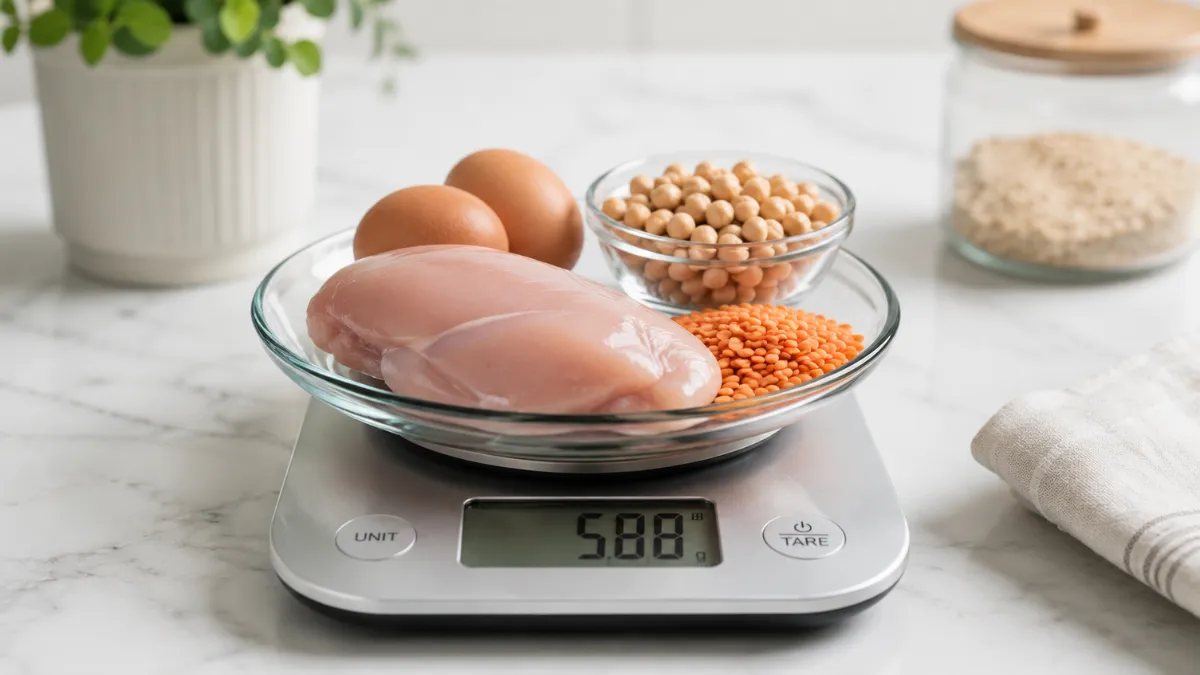
البروتين يُحسّن نتائج العجز الحراري من ثلاثة أوجه متزامنة: يرفع تأثير الحرارة الغذائية TEF إلى 20–30% فيُقلّص السعرات الصافية الفعلية، يُعزز الشبع ويُقلّل الجوع ليلاً، ويحفظ الكتلة العضلية خلال الخسارة.
تحليل تلوي شمل 52 دراسة ونُشر في Advanced Nutrition أكتوبر 2024 أثبت أن الوجبات مرتفعة البروتين ترفع إنفاق الطاقة اليومي بصورة معنوية مقارنةً بالوجبات منخفضة البروتين — وأن هذا التأثير يستمر في الدراسات الممتدة من 4 أيام إلى سنة كاملة. فضلاً عن ذلك، تُشير بيانات Frontiers in Nutrition 2024 إلى أن عجزاً حرارياً قدره 750 كيلوكالوري مصحوباً بنسبة بروتين تتجاوز 30% من إجمالي السعرات (أي نحو 1.4 غرام/كغ) يُقلّص فقدان الكتلة العضلية بصورة ملحوظة مقارنةً بحمية منخفضة البروتين بالعجز ذاته.
أمثلة عملية للتوزيع الغذائي اليومي (70 كغ — هدف 1.5 غرام/كغ = 105 غرام)
- الفطور: 3 بيضات مسلوقة + 100 غرام زبادي يوناني + خيار — نحو 33 غراماً بروتين.
- الغداء: 140 غرام صدر دجاج مشوي + نصف كوب عدس + سلطة — نحو 46 غراماً بروتين.
- وجبة خفيفة: 100 غرام تونة في ماء — نحو 22 غراماً بروتين.
- العشاء: بيضتان + خضار مطبوخة بزيت الزيتون — نحو 15 غراماً بروتين.
المجموع: 116 غراماً.
سادساً: من يجب أن يتجنب العجز الحراري أو يُراقَب فيه؟
العجز الحراري ليس ملائماً للجميع بالطريقة ذاتها. المجموعات التالية تستلزم إشرافاً طبياً أو تعديلاً جوهرياً في البروتوكول:
- الحوامل والمرضعات: احتياجات الطاقة ترتفع في هاتين المرحلتين ولا يُنصح بأي عجز حراري مقصود دون متابعة طبية.
- مرضى السكري النوع الأول والمتناولون للأنسولين أو مُحفّزات الأنسولين: العجز الحراري الحاد يزيد خطر نقص السكر في الدم ويستلزم مراجعة دوائية متوازية.
- المرضى المصابون بحالات نقص التغذية أو اضطرابات الأكل (كالقهم العصبي): العجز الحراري مُضادّ استطباب ويتطلب مساراً علاجياً مختلفاً.
- الأطفال والمراهقون: احتياجاتهم الطاقوية أعلى لدعم النمو ولا يجوز فرض عجز حراري دون توجيه اختصاصي.
- كبار السن فوق 65 عاماً: يحتاجون بروتيناً أعلى ومراقبة أكثر حرصاً للكتلة العضلية أثناء الخسارة.
خلاصة: الخطوات العملية ابتداءً من اليوم
العجز الحراري أداة علمية موثوقة — لكن فاعليتها تتوقف على الدقة والاستمرارية. البداية الصحيحة: احسب TDEE بأداة NIH أو معادلة ميفلين – سان جور، استهدف عجزاً بين 500 و750 كيلوكالوري يومياً، وضع هدفاً بروتينياً لا يقل عن 1.3 غرام لكل كيلوغرام من وزنك. خلال 12 أسبوعاً من التطبيق المنهجي تتوقع خسارة دهون حقيقية تتراوح بين 3 و5 كيلوغرامات مع الحفاظ على الكتلة العضلية.
أعد حساب TDEE كل 4 أسابيع لتعديل الهدف الحراري تبعاً للوزن الجديد. تجاهل هذا التعديل يُبقيك في وهم العجز بينما جسمك يتكيف معه. ومن يتجاهل هذه المبادئ كلياً يخاطر بخسارة عضل لا دهون، وبارتداد سريع للوزن لأن الجسم الذي فقد عضلاً يحرق طاقةً أقل حتى في حالة الراحة.
الأسئلة الشائعة
س: هل العجز الحراري 500 كيلوكالوري كافٍ لإنقاص الوزن؟
ج: نعم. عجز 500 كيلوكالوري يومياً يُحقق خسارة نحو 0.5 كيلوغرام أسبوعياً، وهو المعدل الأكثر أماناً للحفاظ على الكتلة العضلية وتجنب التكيف الأيضي وفق إرشادات ADA 2026.
س: هل يمكن أكل أي شيء طالما أنا في عجز حراري؟
ج: نظرياً يحدث فقدان الوزن مع العجز بغض النظر عن المصادر، لكن جودة الغذاء تُؤثر على الكتلة العضلية والشبع والصحة العامة. البروتين والألياف والمغذيات الدقيقة لا يمكن إهمالها.
س: لماذا توقف وزني رغم التزامي بعجز السعرات؟
ج: التوقف الأيضي حقيقي ومتوقع: جسمك خفّض TDEE مع الوزن الجديد. الحل: أعد حساب TDEE بناءً على وزنك الحالي وعدّل الهدف الحراري بدلاً من خفض السعرات أكثر.
س: كم كيلوغراماً يمكن خسارته بأمان شهرياً بالعجز الحراري؟
ج: خسارة 2 إلى 3 كيلوغرامات شهرياً تعكس عجزاً يومياً بين 500 و750 كيلوكالوري، وهي النطاق الآمن. ما يتجاوز 4 كيلوغرامات شهرياً يرتبط بفقد عضلي ملحوظ.
س: هل العجز الحراري يُسبب التعب والإجهاد؟
ج: العجز المعتدل (500–750 ك.ك) لا يُسبب تعباً ملحوظاً عند توافر بروتين كافٍ ونوم جيد. التعب الحاد يدل عادةً على عجز مفرط أو نقص بروتين أو نقص مغذيات دقيقة.
المصادر
- https://diabetesjournals.org/care/article/49/Supplement_1/S166/163915/8-Obesity-and-Weight-Management-for-the-Prevention
- https://www.sciencedirect.com/science/article/abs/pii/S1530891X25009772
- https://www.ncbi.nlm.nih.gov/pmc/articles/PMC12787890/
- https://www.ncbi.nlm.nih.gov/pmc/articles/PMC11625215/
- https://www.frontiersin.org/journals/nutrition/articles/10.3389/fnut.2024.1493954/full
- https://www.frontiersin.org/journals/endocrinology/articles/10.3389/fendo.2025.1725500/full
- https://pmc.ncbi.nlm.nih.gov/articles/PMC11132925/
- https://www.ncbi.nlm.nih.gov/pmc/articles/PMC11875213/