
📌 Key Takeaways:
- Insulin is an anabolic hormone that facilitates glucose uptake and promotes fat storage; elevated levels or resistance contribute to weight gain cycles primarily as a response to excess energy intake rather than the sole cause.
- Insulin resistance often follows weight gain and acts as a protective mechanism against substrate overload, though it perpetuates further fat accumulation through compensatory hyperinsulinemia and increased appetite.
- The plate method combined with adequate protein (1.6–2.2 g/kg) and fiber (25–38 g daily) improves insulin sensitivity, stabilizes blood glucose, enhances satiety, and supports moderate calorie deficits for sustainable fat loss.
Introduction
Insulin is frequently portrayed as the primary driver of weight gain in popular discussions, yet its relationship with body weight is nuanced. As the key hormone regulating blood glucose, insulin facilitates nutrient storage after meals. When levels remain chronically elevated or tissues become less responsive (insulin resistance), it can promote fat accumulation, increased hunger, and metabolic challenges.
This dynamic matters amid rising rates of overweight, obesity, and type 2 diabetes. Excess calorie intake, particularly from refined carbohydrates and ultra-processed foods, triggers repeated insulin secretion. Over time, this contributes to resistance in muscle and liver, leading to compensatory higher insulin output that favors fat storage, especially visceral fat. Evidence indicates obesity often precedes and drives insulin resistance as a protective response to energy surplus, creating a self-reinforcing cycle rather than a simple unidirectional cause.
This article targets adults seeking straightforward, actionable understanding of insulin’s role in weight regulation. It provides evidence-aligned explanations and practical tools, including the plate method for meal balance, to improve sensitivity and support fat loss. Readers gain frameworks for stable blood glucose, reduced cravings, preserved muscle, and sustainable progress (0.5–1 kg weekly) through whole-food patterns consistent with major health guidelines. These strategies prioritize long-term metabolic health over temporary restriction.
How Insulin Regulates Energy and Promotes Storage
Insulin is released by pancreatic beta cells in response to rising blood glucose, primarily from carbohydrate digestion. It shuttles glucose into cells for immediate energy or storage as glycogen in liver and muscle. In adipose tissue, insulin inhibits lipolysis (fat breakdown) and stimulates lipogenesis (fat creation and storage). This anabolic action efficiently handles post-meal nutrients but favors fat accumulation when energy intake exceeds needs.
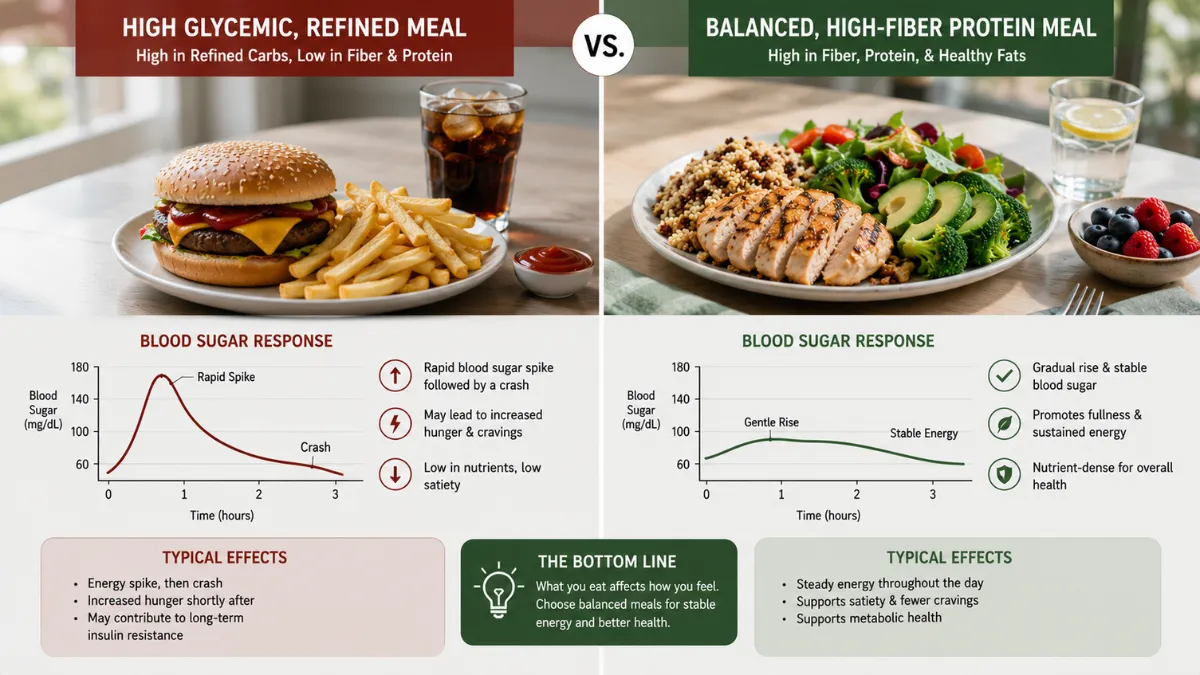
In healthy individuals, insulin levels rise after eating and fall during fasting, allowing fat mobilization. Frequent high-glycemic meals or chronic surplus keep insulin elevated, limiting fat breakdown and signaling continuous storage. This mechanism explains part of weight gain in environments of abundant palatable foods.
Core functions relevant to weight:
- Promotes glucose uptake and glycogen storage
- Suppresses hepatic glucose production
- Inhibits fat breakdown while promoting triglyceride storage
- Influences appetite centers in the brain
Insulin Resistance: Consequence and Contributor to Weight Gain
Insulin resistance develops when cells (especially muscle, liver, and fat) respond less effectively to insulin, requiring higher circulating levels (hyperinsulinemia) to maintain glucose control. Obesity, particularly visceral fat, drives this through inflammation, ectopic lipid deposition, and adipokine dysregulation. Recent analyses confirm weight gain typically precedes and causes insulin resistance as a protective adaptation against intracellular overload.
Once established, resistance perpetuates weight gain: higher insulin promotes hunger and fat storage, while impaired glucose uptake can reduce energy availability for activity. This cycle accelerates central adiposity and metabolic risk. However, not all obese individuals develop severe resistance, and genetics, physical activity, and diet quality modulate susceptibility.
Practical indicators of emerging issues:
- Increased abdominal circumference
- Persistent cravings or energy crashes
- Difficulty losing fat despite calorie control
The Plate Method and Nutrition Strategies for Better Insulin Sensitivity
The plate method offers simple visual guidance for balanced meals that minimize large glucose spikes and insulin surges: fill half the plate with non-starchy vegetables, one-quarter with lean protein, and one-quarter with quality carbohydrates. This structure increases fiber and protein while controlling energy density.
Protein optimization: Aim for 1.6–2.2 g/kg body weight, distributed across meals (1–2 palms per meal). Protein has a modest insulin response but superior satiety and thermic effect, supporting muscle preservation and stable blood glucose.
Fiber target: 25–38 g daily from vegetables, legumes, and whole grains slows carbohydrate absorption and improves sensitivity.
Meal examples:
- Breakfast: Vegetable omelet with spinach, peppers, and Greek yogurt
- Lunch: Large mixed salad with grilled chicken or tofu, beans, and olive oil dressing
- Dinner: Stir-fried broccoli, cauliflower, lean fish or lentils with moderate quinoa
These patterns deliver balanced macronutrients (~25–35% protein, 40–50% carbs from fiber-rich sources, 25–35% fats) that blunt post-meal insulin excursions while promoting satiety.
Comparison Table: High vs. Low Insulin Impact Meals
| Feature | High Insulin Response Example | Lower Insulin Response Alternative | Effect on Blood Glucose & Satiety | Best For |
|---|---|---|---|---|
| Breakfast | Sugary cereal with milk | Veggie omelet + berries + Greek yogurt | Stable glucose, prolonged fullness | Morning energy control |
| Lunch | White bread sandwich + chips | Large salad + grilled protein + beans | Lower spike, higher fiber | Midday cravings reduction |
| Dinner | Pasta with creamy sauce | Stir-fry vegetables + lean protein + moderate whole grains | Reduced evening insulin | Overnight fat mobilization |
| Snack | Fruit juice or sweets | Apple + handful almonds or cottage cheese | Minimal surge, better satiety | Hunger prevention |
| Overall Daily Pattern | Frequent spikes, higher intake | Balanced volume, moderate deficit | Improved sensitivity, easier adherence | Sustainable weight management |
This table demonstrates how practical swaps moderate insulin dynamics without elimination.
Additional Evidence-Based Habits to Support Insulin Function
Combine nutrition with resistance training 2–3+ times weekly to enhance muscle glucose uptake. Accumulate daily movement to improve sensitivity. Prioritize 7–9 hours of quality sleep, as restriction elevates insulin resistance. Manage stress to avoid cortisol-driven cycles that compound effects.
Bullet list of supportive actions:
- Choose whole, minimally processed carbohydrates
- Include healthy fats in moderation (avocado, nuts, olive oil)
- Eat regularly to prevent extreme hunger-driven overeating
- Stay hydrated and limit alcohol and sugary beverages
- Monitor progress with waist measurements and energy levels
Risks, Considerations, and Long-Term Perspective
Severe carbohydrate restriction or very-low-calorie diets can temporarily improve sensitivity but risk rebound and poor adherence. Individuals with diabetes, on insulin therapy, or with medical conditions require professional guidance, as exogenous insulin can promote weight gain if calories are not managed. Those with history of disordered eating should prioritize balanced, flexible patterns.
Risks and contraindications: Rapid changes or unmonitored restriction may cause hypoglycemia in medicated individuals. Pregnant people, athletes, and older adults need personalized targets. Consult a registered dietitian for medical nutrition therapy.
Conclusion
Insulin efficiently stores nutrients but contributes to weight gain when chronically elevated through resistance and hyperinsulinemia, often as a downstream effect of excess energy intake and adiposity. Understanding this cycle empowers practical changes rather than blame on the hormone itself. The plate method, adequate protein, fiber-rich foods, movement, and recovery habits improve sensitivity, stabilize energy, and facilitate sustainable fat loss.
Next steps: Adopt the plate method for main meals this week while increasing protein and non-starchy vegetables. Add daily walking and consistent sleep. Reassess after 4 weeks using hunger patterns, energy, and measurements. These evidence-based habits break unfavorable cycles, supporting better body composition and metabolic health over months and years.
Practical takeaway: Focus on balanced meals and lifestyle consistency to work with insulin physiology rather than against it. Stable blood glucose and improved sensitivity make weight management more achievable and sustainable.
FAQ — People Also Ask
Q: Does insulin directly cause weight gain? A: Insulin promotes storage, but elevated levels usually result from excess calorie intake and weight gain. It contributes to a cycle rather than acting as the sole initiator.
Q: Can I lose weight with insulin resistance? A: Yes. Moderate calorie control, higher protein/fiber intake, resistance training, and the plate method improve sensitivity and support fat loss.
Q: What foods spike insulin the most? A: Refined carbohydrates and sugary items cause rapid rises. Whole-food meals with protein, fiber, and healthy fats blunt responses.
Q: Does high protein raise insulin too much? A: Protein stimulates some insulin release but improves satiety and sensitivity long-term when part of balanced meals. It supports muscle preservation during deficits.
Q: How long to improve insulin sensitivity? A: Noticeable metabolic improvements often occur within weeks of consistent dietary and activity changes; sustained benefits require months.
References
- https://pmc.ncbi.nlm.nih.gov/articles/PMC6082688/
- https://www.mayoclinic.org/diseases-conditions/diabetes/in-depth/insulin-and-weight-gain/art-20047836
- https://nutritionsource.hsph.harvard.edu/
- https://pmc.ncbi.nlm.nih.gov/articles/PMC7515203/
- https://professional.diabetes.org/sites/dpro/files/2025-05/PE25-Plan-Your-Plate-FINAL-5-22-25.pdf
- https://pmc.ncbi.nlm.nih.gov/articles/PMC4038351/
- https://www.healthline.com/nutrition/14-ways-to-lower-insulin