📌 Key Takeaways:
- Plain water and unsweetened teas/coffee support modest fat loss by replacing caloric beverages, reducing daily intake by 200–500 kcal while promoting hydration and satiety.
- Green tea catechins with caffeine may enhance fat oxidation and yield small additional weight reduction (~1–1.6 kg in trials) when part of a calorie deficit.
- Sugary beverages and alcohol add empty calories with minimal satiety, reliably increasing energy intake and obesity risk; elimination or strict limitation proves essential.
Introduction
Beverage choices exert outsized influence on total energy intake and fat loss outcomes. Liquid calories often bypass strong satiety signals compared to solid foods, leading to passive overconsumption. Sugary drinks contribute hundreds of excess kcal daily for many adults, directly linking to weight gain, central adiposity, and metabolic complications.
In 2026, amid widespread focus on sustainable fat loss, evidence underscores simple swaps—prioritizing zero- or low-calorie options like water, green tea, and black coffee—as effective adjuncts to overall dietary patterns. These drinks support hydration, modest metabolic effects via caffeine and polyphenols, and displacement of energy-dense alternatives without compromising nutrient goals.
This article equips adults pursuing fat loss, metabolic health, or weight maintenance with practical, guideline-aligned strategies. Readers learn optimal beverage selections, preparation methods, integration with the plate method, and avoidance tactics that create sustainable 300–500 kcal daily deficits. Combined with whole-food meals emphasizing protein and fiber, these choices enhance adherence, energy stability, and long-term body composition improvements. Effects remain modest alone but compound meaningfully within comprehensive lifestyle approaches.
The Foundation: Water as the Primary Fat Loss Beverage
Water stands as the cornerstone for fat loss support. It delivers zero calories while facilitating hydration essential for metabolic processes, exercise performance, and appetite regulation. Replacing caloric beverages with water consistently lowers total energy intake and associates with greater weight reduction in controlled trials.
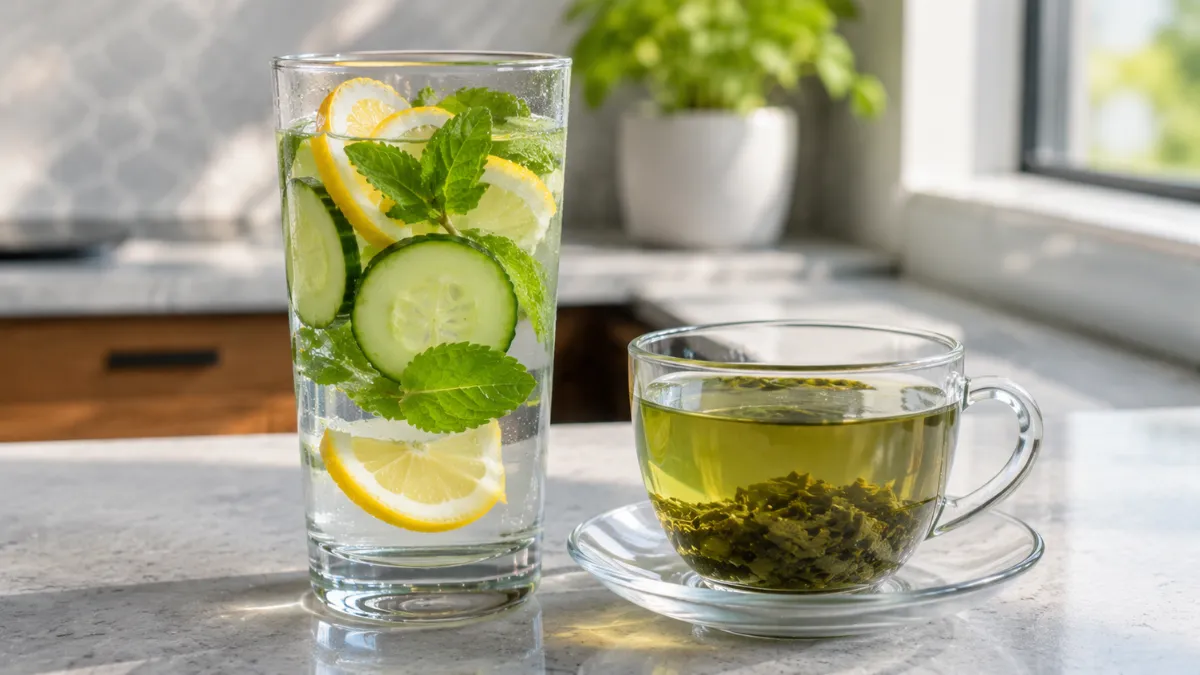
Pre-meal water intake (e.g., 500 ml ~30 minutes before eating) modestly increases satiety and reduces meal calories consumed. Aim for 2.5–3.5 liters daily, adjusted for activity, climate, and body size. Infuse with lemon, cucumber, or berries for variety without adding meaningful energy.
Practical habits:
- Start the day with 500 ml upon waking
- Carry a reusable bottle and sip regularly
- Use sparkling water for carbonation cravings
This strategy alone can eliminate 200–400+ daily kcal from previous sugary drink habits, supporting a consistent deficit for 0.5 kg weekly fat loss when paired with balanced eating.
Tea and Coffee: Evidence-Based Metabolic Support
Unsweetened green tea provides catechins (particularly EGCG) and modest caffeine that may enhance fat oxidation and energy expenditure. Network meta-analyses indicate small additional weight loss (~1–1.6 kg) versus water or placebo over weeks to months, with effects most apparent alongside calorie control.
Black tea and coffee offer similar caffeine-driven benefits for alertness and modest thermogenesis. Black coffee (plain) shows neutral to supportive effects on body weight in observational and intervention data. Limit to 3–4 cups daily to avoid sleep disruption or jitteriness.
Preparation guidelines for fat loss:
- Brew green or black tea plain; steep 2–3 minutes
- Black coffee or espresso, no added syrups or sweeteners
- Optional: splash of unsweetened milk alternative (watch portions)
These beverages fit naturally into daily routines and complement high-protein meals by providing non-caloric volume and antioxidants linked to better metabolic health.
Low- and No-Calorie Options: Strategic Use
Unsweetened sparkling water, herbal teas (ginger, peppermint), and low/no-calorie sweetened beverages serve as alternatives when variety is needed. Evidence supports low-calorie sweetened drinks as reasonable swaps for sugary beverages, yielding similar weight outcomes to water in moderate-term trials among those with overweight or obesity.
Protein-enriched beverages (e.g., low-sugar whey or plant-based shakes) can increase satiety when used as meal replacements or snacks, though whole-food protein sources remain preferable for most meals. Vegetable juices (low-sodium, no added sugar) provide nutrients with lower energy density than fruit juices.
Bullet list of supportive low-calorie drinks:
- Plain or sparkling water with citrus
- Unsweetened green, black, or herbal teas
- Black coffee or Americano
- Diluted vegetable juice (limited portions)
- Low-sugar protein water or shakes (occasional)
Comparison Table: Best vs. Worst Drinks for Fat Loss
| Drink Type | Approx. Calories (per 250–350 ml) | Key Effects on Fat Loss | Satiety & Metabolic Impact | Recommendations & Risks | Best For |
|---|---|---|---|---|---|
| Plain Water / Sparkling | 0 | Reduces total energy intake via replacement | High volume, supports hydration | Unlimited; infuse for flavor | Daily foundation, all goals |
| Green Tea (unsweetened) | 0–5 | Modest fat oxidation boost (catechins) | Mild appetite support | 2–4 cups/day; limit if caffeine sensitive | Metabolism, antioxidant support |
| Black Coffee (plain) | 0–5 | Caffeine enhances alertness & expenditure | Low satiety alone | 1–4 cups; avoid late day | Energy, workout performance |
| Protein Shake (low sugar) | 80–150 | High protein promotes fullness | Strong satiety | Use as snack/meal; choose minimal additives | Muscle preservation, hunger control |
| Sugary Soda / Energy Drink | 120–180 | Increases passive calorie surplus | Very low | Avoid or rare; major weight gain driver | None |
| Fruit Juice (even 100%) | 100–150 | High sugar, low fiber; blood glucose spike | Minimal | Limit strictly; prefer whole fruit | Occasional diluted, small amounts |
| Alcohol (beer, cocktail) | 100–250+ | Empty calories, impairs fat metabolism | Disinhibits eating | Limit to 1 (women)/2 (men) max/week | None during active fat loss |
This table highlights how zero/low-calorie choices create deficits while problematic drinks undermine progress.
Drinks to Strictly Limit or Avoid
Sugary beverages (regular soda, sweetened teas, fruit drinks, energy drinks) rank as primary contributors to excess energy intake and obesity. They provide rapid sugars with negligible satiety, promoting overconsumption and adverse metabolic effects. Systematic data link frequent intake to weight gain and chronic disease risk.
Fruit juices, even 100% varieties, lack fiber present in whole fruit and deliver concentrated sugars easily overconsumed. Alcohol supplies empty calories (7 kcal/g), impairs lipid oxidation, and often pairs with increased food intake. Creamy coffee drinks, sweetened lattes, and smoothies can exceed 300–500 kcal per serving.
Practical avoidance strategies:
- Eliminate sugary drinks from home and routine purchases
- Request water or unsweetened options when dining out
- Track hidden calories in “healthy” marketed beverages
- For alcohol, set strict limits and choose lower-calorie options occasionally (e.g., dry wine, light beer)
Integration with Overall Fat Loss Patterns
Combine optimal beverages with the plate method: half non-starchy vegetables, quarter lean protein, quarter quality carbohydrates. Use drinks to enhance meal volume and timing—water or tea before meals, coffee pre-workout for performance. Prioritize protein (1.6–2.2 g/kg) and fiber (25–38 g daily) from foods for synergistic satiety.
Meal examples:
- Breakfast: Black coffee + Greek yogurt with berries and chia
- Lunch: Green tea + large vegetable salad with grilled protein
- Afternoon: Sparkling water + small handful nuts or cottage cheese
- Dinner: Water with lemon + balanced plate following guidelines
Monitor individual tolerance: caffeine sensitivity, acid reflux, or medication interactions warrant adjustments. Athletes or high-activity individuals may need electrolyte considerations during deficits.
Risks and contraindications: Excessive caffeine (>400 mg/day) can cause anxiety or sleep issues. Those with kidney conditions, certain gastrointestinal disorders, or pregnancy should consult professionals for fluid and beverage guidance. Low-calorie sweeteners remain safe for most but may not suit everyone; focus on whole-food patterns. Severe restriction of all beverages beyond water is unnecessary and unsustainable.
Conclusion
Strategic beverage selection—centering water, unsweetened green tea, and black coffee while minimizing or eliminating sugary drinks and alcohol—creates meaningful calorie deficits and supports physiological processes aiding fat loss. These choices enhance satiety, hydration, and modest metabolic advantages without adding complexity to daily routines.
Next steps: Audit current beverage intake for one week, then replace one caloric drink daily with water or tea. Integrate with balanced meals using the plate method, adequate protein, and movement for comprehensive results. Track energy, hunger, and progress via measurements rather than daily scale fluctuations. Over months, consistent habits yield sustainable fat loss, improved metabolic markers, and better long-term health.
Practical takeaway: Treat beverages as tools for calorie control and hydration first. Zero-calorie options enable larger food volumes and satisfaction within a deficit, forming a foundation for lasting body composition success.
FAQ — People Also Ask
Q: Is green tea truly effective for fat loss? A: It provides modest benefits (~1–1.6 kg additional loss in studies) via catechins and caffeine when replacing caloric drinks and supporting a deficit. Effects are small but meaningful consistently.
Q: Does drinking water before meals help with weight loss? A: Yes. It promotes satiety and can reduce meal calories consumed, contributing to overall energy balance without other changes.
Q: Are diet sodas or zero-calorie drinks acceptable? A: They serve as reasonable alternatives to sugary beverages for many, supporting similar weight outcomes to water in trials. Use in moderation alongside whole foods.
Q: How much coffee is too much for fat loss goals? A: 1–4 cups plain black coffee daily is generally supportive. Avoid added sugars/creams and late-day intake that disrupts sleep.
Q: Can I drink alcohol while trying to lose fat? A: Limit strictly or avoid during active phases. Alcohol adds calories, slows fat metabolism, and often increases appetite and poor food choices.
References
- https://www.cambridge.org/core/journals/british-journal-of-nutrition/article/comparative-effects-of-tea-and-coffee-drinking-on-body-weight-in-adults-a-systematic-review-and-network-metaanalysis-of-randomised-trials/FD72EA38DC7AFCB0AAD5C51B40829193
- https://ajcn.nutrition.org/article/S0002-9165(23)01551-4/fulltext
- https://jamanetwork.com/journals/jamanetworkopen/fullarticle/2790045
- https://www.cdc.gov/healthy-weight-growth/rethink-your-drink/index.html
- https://www.mayoclinic.org/healthy-lifestyle/weight-loss/in-depth/weight-loss/art-20044318
- https://nutritionsource.hsph.harvard.edu/healthy-drinks/
- https://pmc.ncbi.nlm.nih.gov/articles/PMC2864136/
- https://www.healthline.com/nutrition/weight-loss-drinks