- Consuming 500 ml water 30 minutes before meals can reduce energy intake by 75–200+ kcal per meal and enhance weight loss by 44–100% more than diet alone in controlled studies.
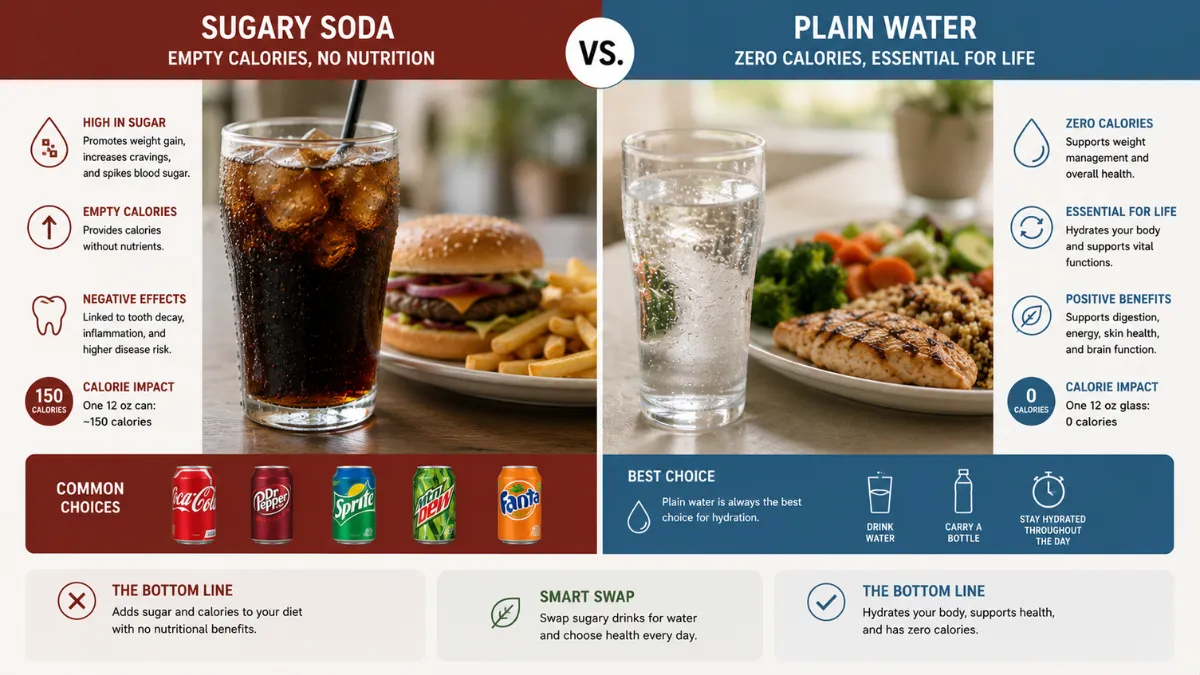
- Replacing sugar-sweetened beverages with water consistently lowers daily calories and supports long-term weight management by eliminating liquid calories with minimal satiety.
- Adequate hydration (2.5–3.5+ liters daily for most adults) complements the plate method and high-protein patterns but does not produce meaningful fat loss in isolation.
Introduction
Increased water consumption is frequently recommended as a simple aid for weight management, yet its effects require careful examination. Water itself provides zero calories and can influence energy balance through satiety, displacement of caloric beverages, and minor thermogenic responses, particularly when consumed cold or before meals.
In 2026, with ongoing emphasis on sustainable approaches amid rising obesity prevalence, evidence from randomized trials and systematic reviews supports modest but reliable benefits. Pre-meal water intake reduces subsequent energy consumption in many individuals, while substituting water for sugar-sweetened beverages reliably lowers total daily intake. These mechanisms operate most effectively within structured dietary patterns rather than as standalone interventions.
This article addresses adults seeking practical, low-effort strategies to support fat loss, stable energy, and metabolic health. It delivers evidence-aligned explanations and integration tactics, including the plate method for meal balance. Readers gain actionable frameworks to optimize hydration alongside protein and fiber intake, achieving moderate calorie deficits (300–500 kcal daily) that promote 0.5–1 kg weekly loss while minimizing hunger and supporting long-term adherence.
Mechanisms: How Water Supports Energy Balance
Water promotes satiety primarily through gastric distension. Consuming 500 ml approximately 30 minutes before meals increases stomach volume, activating stretch receptors and contributing to earlier fullness signals. Controlled studies demonstrate this preload effect reduces meal energy intake, with greater impact in middle-aged and older adults.
Cold water additionally induces a small thermogenic response as the body warms it to core temperature, temporarily elevating energy expenditure by a modest amount (typically <30 kcal per 500 ml). While not transformative alone, this accumulates alongside other habits.
Hydration also supports overall metabolic function, exercise performance, and accurate interpretation of thirst versus hunger cues, reducing unnecessary snacking. Chronic mild dehydration may subtly impair fat oxidation and increase perceived fatigue, indirectly affecting activity levels and adherence.
Replacing Caloric Beverages: The Strongest Practical Benefit
The most consistent weight management advantage arises from displacing sugar-sweetened beverages, juices, and alcohol with plain water. Liquid calories provide weak satiety compared to solid food, leading to passive overconsumption. Systematic data link higher plain water intake to lower total energy consumption and reduced odds of weight gain over time.
Adults consuming sugary drinks daily can easily eliminate 200–400+ kcal by switching to water, creating a deficit without altering food choices. This strategy proves especially effective for long-term maintenance.
Bullet list of beverage swap benefits:
- Zero calories versus 100–180+ kcal per serving of soda or juice
- No blood glucose spike or subsequent crash
- Improved hydration status supporting metabolic processes
- Cost-effective and universally accessible
Pre-Meal Water and Structured Dietary Integration
Randomized trials show that 500 ml water consumed 30 minutes before each main meal, combined with a hypocaloric diet, produces significantly greater weight loss than diet alone. Effects range from additional 0.5–2+ kg over 8–12 weeks, driven by reduced meal size without increased hunger.
Pair this with the plate method for optimal results: half non-starchy vegetables (high volume, low energy), quarter lean protein (satiety and thermic effect), quarter quality carbohydrates. This combination maximizes gastric distension, stabilizes blood glucose, and enhances overall nutrient density.
Practical daily targets:
- 2.5–3.5 liters total fluid (more with activity, heat, or larger body size)
- 500 ml before each main meal
- Plain or infused water (lemon, cucumber, mint) as primary source
Comparison Table: Hydration Strategies for Weight Management
| Strategy | Mechanism | Typical Calorie Impact | Evidence Strength | Best For | Limitations |
|---|---|---|---|---|---|
| Pre-Meal Water (500 ml) | Gastric distension, satiety | -75 to -200 kcal/meal | Moderate-Strong (RCTs) | Meal portion control | Greater effect in older adults |
| Replace Sugary Drinks | Elimination of liquid calories | -200 to -500+ kcal/day | Strong | Daily energy reduction | Requires consistent habit change |
| Cold Water Throughout Day | Minor thermogenesis | +10–50 kcal/day total | Moderate | Small metabolic support | Effect is transient |
| General Adequate Hydration | Optimal metabolism, cue accuracy | Indirect via reduced snacking | Moderate | Overall adherence and energy | Individual needs vary |
| High-Volume Low-Cal Meals | Synergistic with water | Enhanced deficit without hunger | Strong | Sustainable fat loss | Combine with protein/fiber |
This table highlights complementary approaches with realistic expectations.
Additional Habits and Synergistic Factors
Combine hydration with adequate protein (1.6–2.2 g/kg, distributed as 1–2 palms per meal) and fiber (25–38 g daily) for superior satiety. Resistance training and daily movement further amplify benefits by improving insulin sensitivity and preserving metabolically active tissue.
Meal examples:
- Breakfast: Large vegetable omelet + berries + 500 ml water 30 min prior
- Lunch: Grilled protein salad with beans and extra greens
- Dinner: Stir-fried non-starchy vegetables with lean fish or tofu and moderate whole grains
Track intake via urine color (pale yellow indicates good hydration) rather than rigid counting alone.
Risks and contraindications: Excessive intake (>5–6 liters daily without medical need) risks hyponatremia, particularly with rapid consumption or certain medications. Individuals with kidney or heart conditions require personalized targets from a healthcare provider. Pregnant or breastfeeding individuals and athletes need higher intakes adjusted for activity and environment.
Conclusion
Drinking adequate water supports weight loss modestly but meaningfully through pre-meal satiety, caloric beverage displacement, and minor metabolic effects. Benefits emerge most reliably when integrated with balanced nutrition patterns like the plate method, adequate protein, fiber, and physical activity rather than in isolation.
Next steps: Begin with 500 ml water 30 minutes before each main meal while adopting the plate method. Replace one caloric beverage daily with plain water and monitor energy, hunger, and waist measurements over 4 weeks. These low-burden habits compound with consistency, promoting sustainable fat loss, better hydration status, and improved metabolic health over months.
Practical takeaway: Use water strategically as a foundational tool within comprehensive dietary and lifestyle patterns. It enhances satiety and eliminates empty calories without adding complexity or restriction.
FAQ — People Also Ask
Q: How much water should I drink daily for weight loss? A: Target 2.5–3.5+ liters total fluid, adjusted for body size, activity, and climate. Focus on timing, especially pre-meal, rather than exact volume alone.
Q: Does cold water burn more calories than room temperature? A: Yes, modestly. The body expends energy warming it, but the effect remains small and supportive rather than primary for fat loss.
Q: Is pre-meal water more effective for some people? A: Evidence suggests stronger effects in middle-aged and older adults compared to younger individuals, though benefits occur across groups when combined with calorie control.
Q: Can drinking too much water hinder weight loss? A: Excessive intake offers no additional benefit and may dilute electrolytes. Balance with sodium from whole foods and consult professionals for very high needs.
Q: Should I count other beverages toward hydration? A: Unsweetened tea and coffee contribute, but plain water remains optimal. Limit or eliminate sugar-sweetened options for best results.
References
- https://pmc.ncbi.nlm.nih.gov/articles/PMC2859815/
- https://pubmed.ncbi.nlm.nih.gov/23826600/
- https://www.mayoclinic.org/healthy-lifestyle/nutrition-and-healthy-eating/in-depth/water/art-20044256
- https://pmc.ncbi.nlm.nih.gov/articles/PMC6209729/
- https://hub.jhu.edu/at-work/2020/01/15/focus-on-wellness-drinking-more-water/
- https://www.sciencedirect.com/science/article/abs/pii/S0031938425001544
- https://nutritionsource.hsph.harvard.edu/